
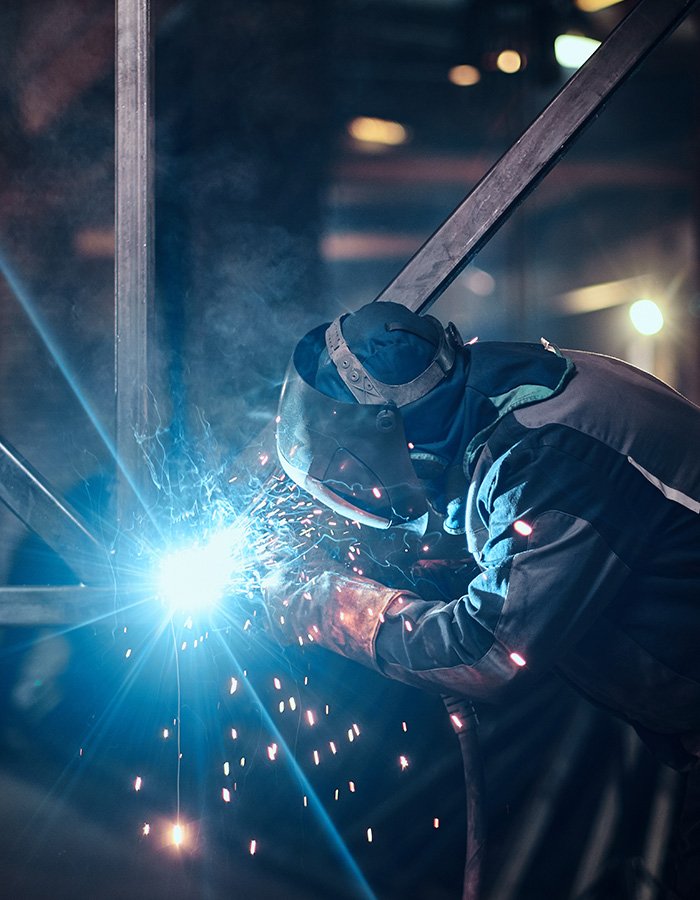
Custom Welded Frames & Fabrications
LANJIAN manufactures custom welded machine frames, conveyor support structures, heavy-duty chassis, skids, and equipment base assemblies according to customer drawings. Project scope can include welding, dimensional control, post-weld machining, surface finishing, inspection, and assembly preparation.
- Custom Manufacturing Based on Drawings
- Machine Frames, Conveyor Structures, Chassis & Skids
- Post-Weld Machining for Critical Interfaces
- Project-Specific Weld and Dimensional Inspection
What Welded Frames & Fabrications Can LANJIAN Supply?
LANJIAN manufactures custom welded frames and fabricated structural assemblies for industrial equipment according to approved customer drawings. The product scope includes welded machine frames, conveyor support frames, heavy-duty chassis, skids, and equipment base assemblies. Material grades, structural sections, weld requirements, critical dimensions, post-weld operations, inspection scope, and delivery condition are confirmed for each project.
Drawing-Based Welded Frame Manufacturing
Each frame is manufactured according to approved 2D drawings, 3D models, BOMs, and confirmed technical requirements.
Frame & Fabrication Product Scope
Welded machine frames, conveyor support structures, equipment chassis, skids, support frames, and multi-part structural assemblies.
Material, Weld & Dimensional Requirements
Material grades, plate and section specifications, joint and weld requirements, critical datums, tolerances, and machining scope are reviewed before production.
As-Welded to Assembly-Ready Supply
Frames can be supplied in the agreed as-welded condition or with specified post-weld machining, surface finishing, inspection, and assembly preparation completed.
Welded Frames & Fabrications We Manufacture
Custom Welded Machine Frames
Welded frames and machine base assemblies used to support, position, and align machine components, motion systems, automation units, and related equipment assemblies.
Conveyor Support Frames
Fabricated support structures, platforms, gantries, and frame assemblies used around conveyors, drives, transfer points, maintenance areas, and bulk-material handling systems.
Heavy Duty Chassis & Structures
Load-bearing chassis and fabricated structures used to support, connect, and transfer loads between major assemblies in stationary, mobile, mining, construction, and other heavy industrial equipment.
Skid & Equipment Base Frames
Welded skids and base frames used to mount pumps, compressors, process units, drive systems, and other equipment while maintaining the required installation and connection interfaces.
Explore Typical Welded Frame & Fabrication Types
Machine Bases & Beds: Common Product Types
CNC Machine Bases for Machining Centers
Cast bases that support columns, spindle units, worktables, and linear-motion assemblies.
Materials: Gray cast iron; ductile iron or cast steel when specified.
Process: Sand casting, optional CNC machining of mounting faces, datums, guide interfaces, bores, and holes.
Applications: Machining centers, drilling and tapping centers, CNC boring machines, and special-purpose CNC equipment.
Automation Equipment Bases
Custom cast foundations for locating fixtures, linear axes, rotary stages, and inspection units.
Materials: Gray cast iron; ductile iron or cast steel when specified.
Process: Sand casting with machining of mounting datums, locating holes, axis interfaces, and service openings.
Applications: Assembly equipment, inspection machines, positioning systems, and dedicated automation equipment.
Lathe Beds
Structural castings that support the headstock, carriage, tailstock, and guide system.
Materials: Primarily gray cast iron; other cast materials when specified.
Process: Sand casting with machining of guideways, mounting interfaces, reference surfaces, and assembly holes.
Applications: CNC lathes, conventional lathes, turning centers, and special-purpose turning machines.
Milling Machine Bases
Cast foundations for columns, saddles, worktables, feed systems, and axis assemblies.
Materials: Primarily gray cast iron; alternatives according to the approved design.
Process: Sand casting with CNC machining of mounting areas, datums, guide interfaces, bores, and holes.
Applications: Vertical, horizontal, bed-type, gantry, and special-purpose milling machines.
Conveyor Support Frames: Typical Product Types
Conveyor Support Structures
Welded structures used to support conveyor sections, drive areas, pulleys, rollers, and related equipment.
Function: Transfers conveyor and material loads to the floor, foundation, or supporting structure according to the approved design.
Manufacturing Focus: Drawing-defined support spacing, elevation, bracing, connection interfaces, alignment, and site installation requirements.
Applications: Belt conveyors, feeder conveyors, transfer conveyors, and bulk-material handling lines.
Conveyor Platforms
Fabricated platforms installed around conveyors to provide access for operation, inspection, and maintenance.
Function: Provides elevated access around drives, transfer points, chutes, and conveyor service areas.
Manufacturing Focus: Platform geometry, support locations, grating and handrail interfaces, access points, and field connections.
Applications: Mining plants, processing facilities, warehouses, transfer stations, and industrial conveyor systems.
Conveyor Gantries
Elevated fabricated structures used to carry conveyor sections across equipment, roads, working areas, or changes in elevation.
Function: Supports the conveyor span and transfers the specified loads to columns, foundations, or adjoining structures.
Manufacturing Focus: Section geometry, bracing connections, lifting points, transport limits, and field assembly interfaces.
Applications: Overland conveyors, plant conveyors, stockyards, loading systems, and bulk-material transfer lines.
Conveyor Frame Assemblies
Welded frame modules used to support and connect defined sections of a conveyor system.
Function: Maintains the required positions of conveyor components and provides repeatable system connection points.
Manufacturing Focus: Interface and hole positions, frame straightness, module alignment, trial assembly, and installation sequence.
Applications: Conveyor modules, drive stations, tail sections, take-up areas, and transfer assemblies.
Heavy Duty Chassis & Structures: Typical Product Types
Heavy-duty chassis and fabricated structures are used where equipment requires a substantial load-bearing base, structural connection, or mobile supporting platform.
Industrial Equipment Chassis
Welded chassis used as the primary supporting structure of stationary industrial equipment.
Function: Supports equipment assemblies and provides the required structural and installation interfaces.
Manufacturing Focus: Approved reinforcement details, frame geometry, mounting interfaces, critical dimensions, and welding sequence.
Applications: Processing machinery, production equipment, material-handling systems, and industrial installations.
Mining Equipment Chassis
Heavy fabricated chassis used as the supporting platform of mobile, transportable, or skid-mounted mining equipment.
Function: Supports major equipment assemblies operating under vibration, impact, and heavy-duty working conditions.
Manufacturing Focus: Reinforced connections, fatigue-sensitive weld details, welding sequence, distortion control, and specified weld inspection.
Applications: Mobile crushing and screening plants, transportable feeders, mobile conveyors, mining service equipment, and modular mineral-processing units.
Mobile Machinery Chassis
Welded chassis structures used as the supporting platform of wheeled, tracked, or transportable industrial machinery.
Function: Supports equipment assemblies and transfers operating and travel loads through the approved chassis structure.
Manufacturing Focus: Frame geometry, undercarriage or axle interfaces, equipment mounting points, weld details, and dimensional alignment.
Applications: Mobile processing equipment, construction machinery, agricultural equipment, transportable conveyors, and material-handling machinery.
Heavy Equipment Structures
Large welded structures used to support, connect, or reinforce major assemblies in heavy industrial equipment.
Function: Provides drawing-defined structural support and connection points between equipment sections.
Manufacturing Focus: High-load connection areas, weld accessibility, approved reinforcement details, fabrication sequence, lifting, transport, and site assembly.
Applications: Mining equipment, construction machinery, lifting systems, processing plants, and heavy material-handling equipment.
Skid & Equipment Base Frames: Typical Product Types
Skids and equipment base frames provide a common structural foundation for equipment, drivers, auxiliaries, piping supports, and installation interfaces.
Pump Equipment Frames
Welded base frames used to mount pumps, motors, couplings, and associated equipment.
Function: Provides a common mounting base and reference interfaces for the pump and driver assemblies.
Manufacturing Focus: Mounting-pad positions, base geometry, machining allowance, anchor holes, and drawing-defined interface dimensions.
Applications: Industrial pump units, water systems, process plants, energy equipment, and fluid-handling systems.
Compressor Equipment Frames
Fabricated bases used to support compressors, drivers, auxiliary units, and related connections.
Function: Provides the common mounting and installation structure for the compressor package.
Manufacturing Focus: Mounting-pad relationships, frame geometry, welding distortion, service access, and specified machined interfaces.
Applications: Air compressors, gas compressor packages, refrigeration systems, and industrial process equipment.
Process Equipment Frames
Welded skids and supporting structures used to integrate process equipment and related non-pressure-bearing components.
Function: Supports equipment, piping supports, valves, instruments, and auxiliary assemblies within the approved layout.
Manufacturing Focus: Equipment-interface positions, support geometry, access, lifting provisions, transport configuration, and installation requirements.
Applications: Process modules, filtration systems, fluid-handling units, energy systems, and industrial treatment equipment.
OEM Equipment Base Frames
Custom base frames manufactured for equipment builders requiring a drawing-specific mounting and installation platform.
Function: Provides the common base for customer-specified machinery and related assemblies.
Manufacturing Focus: Equipment layout, critical interfaces, dimensional relationships, post-weld operations, and assembly preparation.
Applications: OEM machinery, packaged equipment, integrated production units, and custom industrial systems.
Don’t See Your Exact Fabrication Type?
These examples represent common welded frame and structural fabrication categories but do not limit the available project scope. Send your drawing, 3D model, BOM, sample photos, or initial technical requirements for manufacturing review.
Choose Welded Frames by Application
Different equipment applications require different combinations of welded frames, chassis, support structures, platforms, and equipment bases. The guide below shows where these drawing-based welded structures may be used across LANJIAN’s five target industries. Final configuration, mounting interfaces, manufacturing scope, and acceptance requirements are confirmed according to the approved equipment design.
Mining Equipment
Mining Equipment Chassis, Heavy Equipment Structures, Conveyor Support Structures, Conveyor Platforms, Conveyor Gantries, and Skid & Equipment Base Frames.
Supporting mobile or modular crushing, screening, feeding, conveying, drive, hydraulic, and mineral-processing assemblies operating under vibration, impact, and heavy-duty working conditions.
Construction Equipment
Mobile Machinery Chassis, Heavy Equipment Structures, OEM Equipment Frames, and OEM Equipment Base Frames.
Providing load-bearing, mounting, and connection structures for working assemblies, drive systems, hydraulic components, undercarriages, access systems, and related construction equipment.
Material Handling Equipment
Conveyor Support Structures, Conveyor Platforms, Conveyor Gantries, and Conveyor Frame Assemblies.
Supporting conveyor sections, drives, pulleys, transfer points, elevated routes, maintenance access, and other assemblies in bulk and unit-load material handling systems.
Energy Systems
Pump Equipment Frames, Compressor Equipment Frames, Process Equipment Frames, and OEM Equipment Base Frames.
Mounting pumps, compressors, drive units, auxiliary equipment, fluid-handling modules, and process packages used in power-generation and energy-processing systems.
Agricultural Machinery
Mobile Machinery Chassis, OEM Equipment Frames, Heavy Equipment Structures, OEM Equipment Base Frames, and Conveyor Frame Assemblies for agricultural handling equipment.
Supporting drive, lifting, harvesting, processing, conveying, and mobile-equipment assemblies in agricultural machinery and agricultural-processing systems.
Not Sure Which Welded Structure Fits Your Application?
These examples show common product-to-application relationships rather than fixed selection rules. Send your drawing, equipment layout, working conditions, mounting interfaces, or existing frame details for an initial manufacturing review.
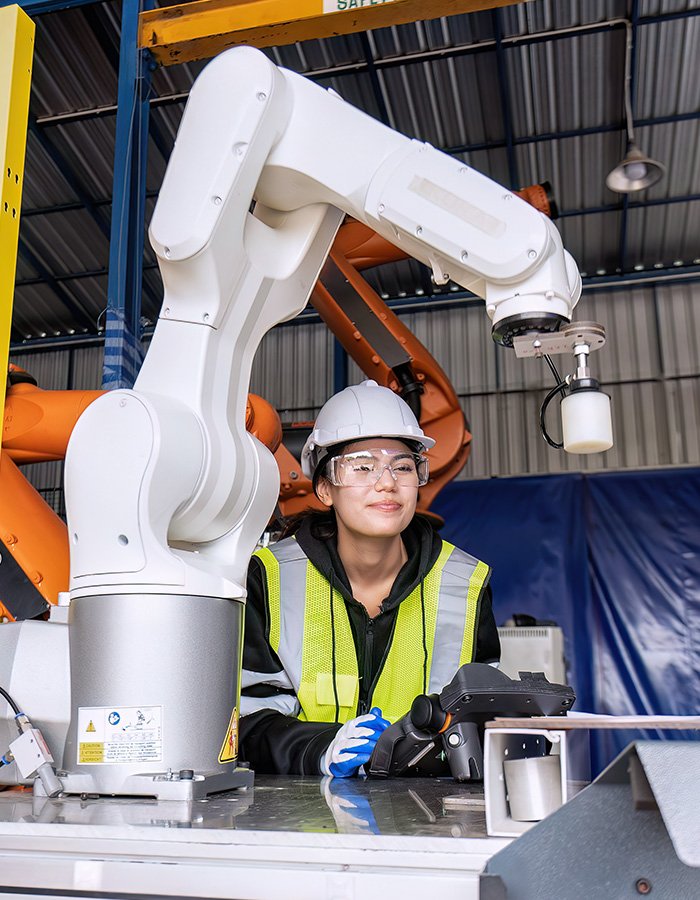
Welded Frame Manufacturing and Delivery Scope
LANJIAN manufactures custom welded frames and structural fabrications from specified steel plates, tubes, hollow sections, channels, angles, and beams. Material selection, welding and fabrication, post-weld machining, surface finishing, assembly support, inspection, and the required delivery condition are confirmed according to the approved drawings and project requirements.
Materials and Core Fabrication Process
Core Fabrication Process
Materials
For each welded structure, the material grade and fabrication route are reviewed according to weldability, section thickness, joint configuration, machining requirements, service conditions, and the required delivery condition.
Post-Welding Manufacturing Capabilities
Welded frames can be supplied with drawing-defined machining of datum surfaces and mounting interfaces, specified surface treatment or coating, and agreed assembly support to meet the required delivery condition.
Available Welded Frame Delivery Conditions
|
| What You Receive | ||
As-Welded Fabrication | Material Preparation + Fit-Up + Welding |
| ||
Post-Weld Machined Frame | Welded Fabrication + Drawing-Defined CNC Machining |
| ||
Surface-Prepared Welded Frame | Welded Fabrication + Specified Surface Preparation |
| ||
Surface-Finished Welded Frame | Welded Fabrication + Any Agreed Machining + Specified Surface Finishing |
| ||
Assembly-Ready Welded Structure | Agreed Fabrication, Machining and Finishing + Final Inspection |
| ||
Welded Structure with Agreed Assembly | Agreed Manufacturing Operations + Specified Parts Assembly |
|
These delivery conditions represent selectable project scopes rather than a fixed processing sequence. The required machining, surface treatment, assembly work, inspection, documentation, and packing method are confirmed according to the approved drawings and purchase requirements.
Custom Welded Frames Based on Your Requirements
LANJIAN manufactures custom welded machine frames, conveyor support frames, heavy-duty chassis, skids, and equipment base frames according to approved customer drawings. Projects may begin with drawings, 3D models, samples, or other available technical information. Production begins after the final drawing, manufacturing scope, and acceptance requirements are confirmed.
What to Provide for Review
- 2D drawings, 3D models, samples, sketches, or photos
- Material grades, plate thicknesses, and section sizes
- Weld symbols, joint requirements, and applicable standards
- Critical datums, interfaces, dimensions, and tolerances
- Required machining, finishing, assembly, and inspection
- Trial quantity, annual demand, and target schedule
1. Submit Project Information
Share your available drawings, models, samples, main dimensions, equipment interfaces, and working conditions.
2. Manufacturability Review
We review the material, joint configuration, welding access, critical dimensions, distortion risks, and machining interfaces.
3. Confirm Manufacturing Scope
Material preparation, fabrication, post-weld operations, inspection, documentation, and the required delivery condition are confirmed.
4. Confirm Quotation & Drawing
The quotation, final drawing revision, technical requirements, supply scope, and acceptance criteria are confirmed before production.
5. Fabrication & Inspection
The agreed fabrication, machining, finishing, or assembly operations are completed and inspected according to the approved drawing.
6. Packing & Delivery
Accepted welded structures are identified, protected, packed, and prepared for shipment according to the confirmed handling requirements.
No Production-Ready Drawing Yet?
Send your sketches, samples, photos, main dimensions, and mounting details for an initial manufacturability review. An approved production drawing is still required before manufacturing.
How Is Welded Frame Quality Controlled?
Quality control for custom welded frames covers more than the welds themselves. LANJIAN checks materials, prepared components, fit-up, frame geometry, critical interfaces, and the final delivery condition against the approved drawing and project-specific acceptance requirements.
View the Welded Frame Fabrication & Inspection Process
See how steel plates and structural sections move through material preparation, fixture-controlled fit-up, welding, dimensional inspection, and preparation for post-weld machining or surface finishing during welded frame production.
1. Material & Cut-Part Verification
Material grades, plate thicknesses, section sizes, cut dimensions, formed features, and part identification are checked before fit-up.
2. Fixture, Datum & Fit-Up Control
Fixture positions, assembly datums, joint alignment, gaps, tack welds, and preliminary frame dimensions are verified before production welding.
3. Frame Geometry & Distortion Control
Overall dimensions, straightness, flatness, squareness, and alignment are monitored at defined stages to identify and control welding distortion.
4. Weld Acceptance & Specified NDT
Completed welds are visually checked for location, size, profile, continuity, and visible imperfections. Additional NDT is arranged only when specified by the project.
5. Machined Interface & Finish Verification
Post-weld machined datums, mounting faces, bores, holes, threads, and connection interfaces are inspected. Surface preparation and finishing are also checked when included in the delivery scope.
6. Final Inspection & Release
Overall dimensions, critical interfaces, agreed assembly work, identification, required records, protection, and packing are checked before shipment.
Inspection points, measurement methods, acceptance criteria, sampling requirements, and required reports are confirmed according to the approved drawing and purchase requirements.
Inside LANJIAN Manufacturing
A visual look at the preparation, fabrication, machining, finishing, and inspection of custom welded frames and structural assemblies at LANJIAN.
See how drawing-specified plates, tubes, and structural sections are prepared, positioned, and welded into complete frame structures.
Material Preparation
Cutting and preparation of plates, tubes, and structural sections according to the approved drawing.
Datum-Controlled Fit-Up
Components positioned against defined assembly datums, using fixtures where required before production welding.
Production Welding
Drawing-defined joints completed according to the confirmed welding sequence and project requirements.
Weld Cleaning & Geometry Check
Welded structures cleaned and checked for overall geometry, with dimensional correction performed where required.
Selected welded frames receive post-weld machining, surface finishing, or assembly work according to the confirmed delivery condition.
Setup & Datum Alignment
Welded structures positioned using the confirmed machining and inspection datums.
Critical Interface Machining
Machining of specified mounting faces, bores, holes, threads, and connection interfaces.
Surface Preparation & Finishing
Project-specified cleaning, surface preparation, painting, coating, or other agreed finishing.
Assembly & Integration Preparation
Agreed parts assembly and preparation of mounting interfaces for subsequent equipment integration.
Examples of custom welded frames and structural fabrications produced for industrial equipment applications.
Custom Welded Machine Frames
Drawing-based machine frames and base assemblies for CNC, automation, and OEM equipment.
Conveyor Support Frames
Support structures, platforms, gantries, and frame assemblies for conveyor systems.
Heavy Duty Chassis & Structures
Fabricated chassis and load-bearing structures for mobile and heavy industrial equipment.
Skid & Equipment Base Frames
Custom base frames for pumps, compressors, process equipment, and OEM assemblies.
Inspection activities performed according to the approved drawing and confirmed project-specific requirements.
Weld Inspection
Visual verification of drawing-defined weld locations, sizes, profiles, and visible condition.
Frame Geometry Inspection
Checking overall dimensions, straightness, flatness, squareness, alignment, and critical datums.
Machined Interface Verification
Inspection of mounting faces, bores, holes, threads, and other functional interfaces.
Final Release & Packing
Final checks of identification, delivery condition, required records, protection, and packing before shipment.
Want to understand how your welded frame or structural fabrication could be manufactured and inspected?
Send your drawing or available project details for an initial manufacturability review.
Questions Buyers Ask About Custom Welded Frames & Fabrications
Quick answers about welded frame types, materials, dimensional requirements, manufacturing scope, quotation, inspection, and delivery.
Product & Manufacturing Questions
LANJIAN manufactures custom welded machine frames, conveyor support frames, heavy-duty chassis and structures, and skid or equipment base frames.
Typical products include equipment supports, structural bases, welded platforms, machine foundations, load-bearing frames, mounting structures, and integrated fabricated assemblies. Each product is manufactured to the customer’s drawing and project requirements rather than supplied as a standard stock item.
Welded frames can be manufactured from carbon steel, alloy steel, and stainless steel using structural plates, tubes, hollow sections, channels, angles, and beams.
The material grade, section size, plate thickness, weldability, availability, and required material documentation are reviewed according to each project.
Welded fabrication is commonly suitable for structures assembled from steel plates and structural sections, particularly for large frames, open structures, prototypes, lower-volume production, or designs that may require future modification.
The final manufacturing route should be selected according to structural requirements, geometry, joint design, distortion risk, machining needs, inspection requirements, production quantity, and total delivered cost.
Achievable tolerances depend on the overall frame size, material thickness, structural configuration, welding sequence, datum system, and required post-weld operations.
General fabrication tolerances and machined tolerances should be defined separately. Critical mounting faces, bores, holes, alignment features, and assembly interfaces may require post-weld CNC machining to achieve the specified accuracy.
Yes. Depending on the project scope, welded frames can be supplied as-welded, post-weld machined, surface-prepared, surface-finished, assembly-ready, or with agreed components assembled.
Available operations may include CNC machining of mounting faces and holes, blasting, painting, coating coordination, purchased-part installation, and final dimensional verification. All required operations should be identified in the approved drawing and quotation.
RFQ & Sourcing Questions
For an accurate quotation, please provide available drawings or 3D models, material specifications, plate and structural-section requirements, weld details, critical dimensions and tolerances, machining requirements, surface treatment, inspection requirements, order quantity, and delivery destination.
If a production-ready drawing is not yet available, sketches, samples, photographs, main dimensions, connection interfaces, and operating conditions can be submitted for an initial manufacturability review. A final approved drawing is normally required before production.
Material, frame size, joint complexity, tooling, machining, finishing, inspection, quantity, and packing all affect cost and lead time. See our detailed guide to welded frame cost and lead-time factors.
Distortion is controlled through component preparation, datum-based fit-up, suitable fixtures, planned welding sequences, balanced heat input, and intermediate dimensional checks.
After welding, the frame can be checked for overall dimensions, straightness, flatness, squareness, alignment, hole positions, mounting faces, and critical assembly interfaces according to the approved drawing.
Standard controls may include material verification, visual weld inspection, dimensional inspection, machined-interface inspection, and surface-finish verification.
When specified and technically applicable, project-specific non-destructive testing can be arranged for identified welds or critical areas. Material certificates, dimensional reports, inspection records, and production photographs can be supplied when confirmed in the project scope.
Packing is selected according to the frame’s size, weight, geometry, machined interfaces, surface finish, lifting requirements, and transportation method.
Machined faces, holes, threads, coated surfaces, and exposed interfaces can be protected as required. Large frames may be supported and secured using pallets, steel skids, transport frames, or export crates according to the agreed delivery plan.
Send us your drawing, 3D model, sketch, or available project details for an initial manufacturing review.
Custom Welded Frame Buying Guide
Reading Time: 6–8 min
Buyer Type: OEMs / Equipment Manufacturers / Engineers / Procurement Teams
Product Scope: Machine Frames / Conveyor Support Frames / Heavy-Duty Chassis / Skids & Equipment Base Frames
Decision Focus: Fabrication Suitability / Drawing Review / Cost & Lead Time / Supplier Evaluation
Practical guidance to help engineers and procurement teams determine when welded fabrication is suitable, define project requirements, understand key cost and lead-time factors, and evaluate potential manufacturing partners.
Before You RFQ a Custom Welded Frame, Confirm These 4 Things:
✓ Part information: Latest 2D drawings, 3D models, main dimensions, equipment interfaces, and drawing revision
✓ Material and structural requirements: Material grades, plate thicknesses, section sizes, operating conditions, and specified welding requirements
✓ Manufacturing and delivery scope: Cutting, forming, welding, post-weld machining, surface finishing, assembly, and required delivery condition
✓ Order and acceptance requirements: Quantity, critical dimensions and tolerances, inspection scope, required documentation, target schedule, and delivery destination
1. When Should You Choose Welded Fabrication for an Industrial Frame or Structure?
If an industrial structure can be efficiently built from steel plates, tubes, hollow sections, channels, angles, or beams, welded fabrication may be a suitable manufacturing route.
Welded fabrication joins prepared metal components to form a complete industrial frame or load-bearing structure. It is commonly used to support equipment, carry or transfer loads, maintain component alignment, and provide mounting or connection interfaces.
Is Welded Fabrication Suitable for Your Frame?
It may be suitable when the structure:
Uses plates and structural sections: such as tubes, hollow sections, channels, angles, beams, and formed components.
Has a large, open, hollow, or modular configuration: making casting or machining from solid material less practical.
Requires project-specific construction: particularly for custom, prototype, replacement, or low-to-medium-volume production.
Needs localized precision: where mounting faces, bores, holes, or critical interfaces can be CNC-machined after welding.
Typical examples include machine frames, conveyor support structures, heavy-duty chassis, equipment skids, base frames, platforms, and other fabricated assemblies for industrial machinery.
What Buyers Should Know
Welded fabrication describes the manufacturing route, not a particular material grade, structural capacity, or quality level. The performance of the finished frame depends on the approved design, material selection, joint configuration, weld requirements, fabrication controls, and inspection criteria.
Before quotation, the drawing, loads and operating conditions, critical datums, dimensional tolerances, distortion risks, post-weld machining, surface finishing, inspection scope, production quantity, and required delivery condition should be reviewed to confirm whether welded fabrication is suitable.
2. What Should Be Confirmed in a Custom Welded Frame Drawing?
A quotation-ready drawing package should define the materials, structural geometry, weld requirements, critical datums, tolerances, post-weld operations, and acceptance criteria.
The drawing and related technical specifications guide material preparation, cutting, forming, fit-up, welding, machining, inspection, and final delivery. Clear requirements help the manufacturer assess feasibility, prepare an accurate quotation, and control the features that affect equipment installation and performance.
What Should the Drawing Package Include?
The drawing and related technical specifications should confirm:
| Item to Confirm | Information to Specify | Why It Matters |
|---|---|---|
| Materials & Components | Material grades, plate thicknesses, structural section types and sizes, part identification, and specified purchased components | Supports material sourcing, preparation, identification, and traceability |
| Geometry & Critical Datums | Overall dimensions, assembly references, mounting interfaces, hole locations, alignment features, and fabrication, machining, and inspection datums | Establishes consistent references for fit-up, machining, inspection, and equipment installation |
| Weld Requirements | Weld locations, symbols, joint types, sizes, lengths, profiles, finishing requirements, and applicable standards when specified | Defines how each joint should be produced, finished, and accepted |
| Dimensions & Tolerances | General fabrication tolerances and specific requirements for straightness, flatness, squareness, parallelism, alignment, hole position, and other functional features | Separates general frame requirements from critical dimensions requiring tighter control |
| Post-Weld Scope | Heat treatment or stress relief when required, CNC machining, surface preparation, painting, coating, assembly, and required delivery condition | Confirms the manufacturing sequence and final supply scope |
| Inspection & Documentation | Critical inspection points, dimensional reports, weld inspection, project-specific NDT, material documents, and other required records | Defines the evidence required for final acceptance and release |
For machine frames, equipment bases, and skids, the drawing should clearly identify mounting faces, bores, holes, leveling points, lifting points, and equipment interfaces that directly affect installation.
What Buyers Should Know
Critical dimensions and acceptance requirements should be measurable and linked to clearly defined datums. General fabrication tolerances and precision-machined tolerances should be specified separately.
Applying unnecessary precision to an entire welded structure may increase fixture, welding, correction, machining, and inspection requirements without improving its function.
If the drawing is still under development, sketches, 3D models, samples, main dimensions, and equipment interfaces can support an initial manufacturability review. The final drawing revision, manufacturing scope, and acceptance requirements should be approved before production begins.
3. What Affects the Cost and Lead Time of a Custom Welded Frame?
Custom welded frame cost and lead time depend on the complete manufacturing and delivery scope—not on frame weight or welding time alone.
Frames of similar size may require different amounts of material preparation, fit-up, welding, distortion control, machining, inspection, finishing, and handling. An accurate quotation therefore requires review of the approved drawing, technical requirements, quantity, and delivery condition.
What Are the Main Cost and Lead-Time Factors?
| Factor | Effect on Cost and Lead Time |
|---|---|
| Material Requirements | Material grade, plate thickness, section size, stock availability, purchasing constraints, and required material documents affect sourcing |
| Frame Size & Weight | Large or heavy frames may require additional lifting, handling, fixture, machining, workspace, and transportation capacity |
| Part Count & Preparation | More components and additional cutting, beveling, drilling, forming, or edge preparation increase production steps |
| Joint & Weld Complexity | Weld size, length, joint type, access, welding position, number of passes, and finishing requirements affect labor, consumables, and heat input |
| Fit-Up & Distortion Control | Dedicated fixtures, datum-based positioning, controlled welding sequences, intermediate checks, and dimensional correction add manufacturing time |
| Tolerances & Machining | Tight geometric requirements and post-weld machining of mounting faces, bores, holes, threads, or interfaces increase setup and inspection work |
| Finishing & Assembly | Heat treatment when required, blasting, painting, coating, purchased components, and assembly add processes and coordination |
| Inspection & Documentation | Dimensional reports, weld inspection, project-specific NDT, material documents, and third-party inspection require additional planning |
| Quantity & Repeatability | Prototype and low-volume orders may carry higher setup and fixture costs per frame, while repeat orders may reuse established tooling and processes |
| Drawing Revision & Changes | Changes after quotation or production release may require updates to materials, tooling, processes, inspection, pricing, and schedule |
| Packing & Delivery | Frame dimensions, machined-surface protection, lifting requirements, export packing, transport method, and destination affect the final delivery scope |
How Can Buyers Improve Quotation Accuracy?
Providing a complete and current drawing package allows the manufacturer to identify the required processes, avoid assumptions, and prepare a more accurate quotation.
What Buyers Should Know
A lower frame weight does not always mean a lower manufacturing cost. A lighter but more complex structure may require more components, joints, fixtures, welding, correction, machining, and inspection.
Lead time should be confirmed after material availability, manufacturing complexity, inspection requirements, finishing scope, order quantity, and packing have been reviewed. Any proposed material, structural, or process change should be approved before it is included in the quotation or production plan.
4. How to Choose a Custom Welded Frame Manufacturer
Evaluate a welded frame manufacturer by how it controls materials, datums, fit-up, welding, machining, inspection, and final release—not by price or equipment lists alone.
Capacity Matched to the Actual Frame
Confirm the supplier can handle the required dimensions, weight, plate thicknesses, structural sections, lifting, fixturing, and machining envelope. Identify which operations are completed in-house or through external providers.
Drawing-Based Risk Review
Before quotation, the supplier should review material specifications, weld details and access, datum conflicts, fabrication tolerances, machining allowances, lifting points, and inspection requirements.
Fixture, Fit-Up & Distortion Control
Confirm how assembly datums, component positions, joint gaps, fixtures, tack welds, welding sequences, and in-process dimensions will be controlled for the actual frame geometry.
Welding & Acceptance Controls
Review how the supplier selects and controls the welding procedure, joint preparation, filler materials, shielding gas, temperature when required, weld finishing, and repairs. Required procedure and welder qualifications, visual inspection, and project-specific NDT should match the drawing, materials, applicable standards, and acceptance criteria.
Fabrication-to-Machining Control
Confirm how fabrication datums transfer into machining and inspection. Machining allowances, clamping areas, mounting faces, bores, holes, threads, and interface tolerances should be identified before welding. Responsibility for external heat treatment, machining, coating, testing, and final verification should also be defined.
First-Article & Repeat-Production Control
For new or complex frames, confirm whether a trial unit or first-article inspection is required. The approved unit should establish fixture references, welding sequence, machining setup, critical dimensions, inspection points, and repeat-production records.
Changes to drawings, materials, manufacturing routes, acceptance criteria, or approved external providers—when contractually required—should be reviewed before later batches proceed.
Ready to Source Custom Welded Frames & Structures?
LANJIAN coordinates material preparation, fabrication, post-weld machining, finishing, inspection, and packing around your approved drawing and required delivery condition.
- Drawing and Manufacturability Review Before Production
- Fit-Up, Welding and Distortion Control Around Critical Datums
- Flexible Delivery From As-Welded Frame to Assembly-Ready Structure
- One Point of Responsibility for Quality and Delivery
Privacy note:
Your drawings and project information are kept confidential and used only for project review and quotation.
Prefer Email?