

Custom Structural Castings for Industrial Equipment

Turn your drawings into structural castings ready for your next production stage, with casting, CNC machining, finishing, and inspection coordinated through one supplier.

CUSTOM STRUCTURAL CASTING SUPPLY

Structural Castings Supplied at the Stage You Need

LANJIAN manufactures custom structural castings based on customer drawings and coordinates casting, CNC machining, finishing, and inspection. Components can be supplied as casting blanks or prepared for the next production or assembly stage, reducing the need to manage multiple suppliers.

Drawing-Based Manufacturing

Custom structural components manufactured from drawings, models, samples, or confirmed technical requirements.

Structural Component Scope

Machine bases, cast frames, conveyor structures, and heavy-equipment structural parts.

Material & Casting Options

Cast iron and cast steel options, with the casting route reviewed according to project requirements.

Blank-to-Finished Supply

Supply from casting blanks to machined, finished, inspected, and assembly-ready components.

CUSTOM COMPONENT RANGE

Structural Castings We Manufacture

LANJIAN manufactures custom structural castings according to customer drawings. The four categories below cover common components for machine tools, industrial machinery, conveyor systems, and heavy equipment. Material grade, casting route, machining scope, inspection requirements, and delivery condition are confirmed after drawing review.

Machine Bases & Beds

Cast bases and beds that support, locate, and align the main assemblies of machine tools and precision automation equipment.

Industrial Cast Frames

Cast frames and support structures used where the equipment design requires a load-bearing cast structure.

Conveyor Structural Castings

Custom cast supports and structural components used around pulleys, bearings, take-up systems, and transfer points in conveyor equipment.

Heavy Equipment Castings

Structural castings used to support, mount, connect, or balance assemblies in construction, mining, agricultural, lifting, and material-handling equipment.

EXPLORE TYPICAL COMPONENTS

Select a category to explore representative structural casting types.
These are custom-made components rather than standard catalog products. Dimensions, material grades, machining scope, and acceptance criteria are therefore based on the approved drawing and project specifications.

Machine Bases & Beds: Common Product Types

Machine bases and beds are structural castings used in machine tools and precision industrial equipment. Each component is manufactured to an approved customer drawing. The material grade, casting route, post-casting treatment, machining scope, and acceptance requirements must be confirmed for each project.

CNC Machine Bases for Machining Centers

Cast bases that support columns, spindle units, worktables, and linear-motion assemblies.

Materials: Gray cast iron; ductile iron or cast steel when specified.
Process: Sand casting, optional CNC machining of mounting faces, datums, guide interfaces, bores, and holes.
Applications: Machining centers, drilling and tapping centers, CNC boring machines, and special-purpose CNC equipment.

Automation Equipment Bases

Custom cast foundations for locating fixtures, linear axes, rotary stages, and inspection units.

Materials: Gray cast iron; ductile iron or cast steel when specified.
Process: Sand casting with machining of mounting datums, locating holes, axis interfaces, and service openings.
Applications: Assembly equipment, inspection machines, positioning systems, and dedicated automation equipment.

Lathe Beds

Structural castings that support the headstock, carriage, tailstock, and guide system.

Materials: Primarily gray cast iron; other cast materials when specified.
Process: Sand casting with machining of guideways, mounting interfaces, reference surfaces, and assembly holes.
Applications: CNC lathes, conventional lathes, turning centers, and special-purpose turning machines.

Milling Machine Bases

Cast foundations for columns, saddles, worktables, feed systems, and axis assemblies.

Materials: Primarily gray cast iron; alternatives according to the approved design.
Process: Sand casting with CNC machining of mounting areas, datums, guide interfaces, bores, and holes.
Applications: Vertical, horizontal, bed-type, gantry, and special-purpose milling machines.

Grinding Machine Bases

Cast bases and beds supporting grinding assemblies, worktables, guide systems, and workholding units.

Materials: Primarily gray cast iron.
Process: Sand casting followed by machining of required datum, mounting, guideway, bearing, and assembly features.
Applications: Surface, cylindrical, internal, centerless, tool, and special-purpose grinding machines.

Industrial Cast Frames: Typical Components

LANJIAN manufactures custom cast frames for crushing, screening, feeding, and other industrial equipment. Materials, casting routes, machined interfaces, and inspection requirements are confirmed according to the approved drawing.

Crusher Frames

Load-bearing cast frames that support crushing components, bearing positions, drive assemblies, and equipment connections.

Materials: Cast steel is commonly used; ductile iron or other cast materials when specified.
Process: Sand casting with CNC machining of bearing seats, mounting faces, bores, holes, and connection interfaces.
Applications: Jaw crushers, cone crushers, roll crushers, and other mineral-processing equipment.

Vibrating Screen Frames

Custom cast frame components used to support vibration, bearing, drive, and screening assemblies where the equipment design specifies a cast structure.

Materials: Ductile iron, cast steel, or gray cast iron according to the design.
Process: Sand casting followed by machining of bearing positions, mounting faces, bores, and assembly interfaces.
Applications: Vibrating screens, grading equipment, dewatering screens, and mineral-processing systems.

Feeder Frames

Structural cast frames used to support feeder mechanisms, drive units, bearings, and mounting assemblies.

Materials: Cast steel, ductile iron, or drawing-specified cast iron.
Process: Sand casting with machining of mounting surfaces, bearing locations, bores, holes, and connection features.
Applications: Vibrating feeders, apron feeders, reciprocating feeders, and bulk-material feeding equipment.

Industrial Equipment Frames

Main cast structures that support and integrate the working assemblies of purpose-built industrial equipment.

Materials: Gray cast iron, ductile iron, or cast steel according to load and design requirements.
Process: Sand casting with CNC machining of datums, mounting areas, bores, holes, and equipment interfaces.
Applications: Processing machines, material-handling equipment, production machinery, and special-purpose industrial systems.

Machine Support Structures

Cast structural components used to support, position, or connect individual assemblies within a larger machine.

Materials: Gray cast iron, ductile iron, or cast steel as specified by the drawing.
Process: Sand casting followed by machining of mounting faces, locating features, bores, holes, and connection points.
Applications: Bearing supports, drive-unit supports, machine pedestals, equipment subframes, and assembly supports.

Conveyor Structural Castings: Typical Components

LANJIAN manufactures custom cast supports and structural components for conveyor and bulk-material handling equipment. Materials, casting routes, machined interfaces, and inspection requirements are confirmed according to the approved drawing.

Conveyor Frame Castings

Custom cast frame sections and end supports used at load-bearing and connection points in conveyor equipment.

Materials: Ductile iron or cast steel; gray cast iron when specified for suitable stationary structures.
Process: Sand casting with CNC machining of base faces, mounting pads, bores, holes, and connection interfaces.
Applications: Belt conveyors, feeder conveyors, mobile conveyors, and bulk-material handling equipment.

Drive Pulley Supports

Cast supports that carry drive-pulley bearing assemblies and maintain the pulley shaft position relative to the conveyor structure.

Materials: Gray cast iron, ductile iron, or cast steel according to the load and equipment design.
Process: Sand casting with machining of bearing locations, mounting faces, shaft-related bores, and bolt holes.
Applications: Drive and head-pulley stations in belt conveyors, stackers, reclaimers, and mineral-processing lines.

Bearing Support Structures

Cast pedestals and brackets used to support and position pulley or shaft-bearing assemblies.

Materials: Gray cast iron, ductile iron, or cast steel as specified by the drawing.
Process: Sand casting followed by machining of base faces, bearing-mounting areas, locating features, bores, and holes.
Applications: Head, tail, bend, snub, and take-up pulley assemblies in industrial conveyor systems.

Tensioning System Components

Cast support and bearing-carrying components used within conveyor take-up assemblies to maintain belt tension and shaft position.

Materials: Ductile iron or cast steel; gray cast iron when suitable for the approved design.
Process: Sand casting with machining of sliding or mounting surfaces, bearing positions, pin bores, and connection holes.
Applications: Screw take-up, gravity take-up, and winch take-up systems for belt conveyors.

Transfer Station Components

Custom cast supports, brackets, and connection components used at conveyor transfer points where the equipment design specifies cast parts.

Materials: Cast steel or ductile iron; other cast materials according to the drawing.
Process: Sand casting with CNC machining of mounting faces, locating features, bores, holes, and equipment interfaces.
Applications: Conveyor loading and discharge areas, chute-support positions, conveyor-to-conveyor transfer points, and stacker-reclaimer systems.

Heavy Equipment Castings: Typical Components

LANJIAN manufactures custom structural castings for construction, mining, material-handling, and other heavy equipment. Materials, casting routes, machined features, and inspection requirements are confirmed according to the approved drawing.

Equipment Frames & Supports

Cast frames and supports used to carry or locate major assemblies where the equipment design specifies a cast structure.

Materials: Cast steel or ductile iron; other cast materials when specified.
Process: Sand casting with CNC machining of datums, mounting faces, bores, holes, and connection interfaces.
Applications: Construction machinery, mining equipment, agricultural machinery, lifting equipment, and material-handling systems.

Structural Mounting Components

Cast brackets, pedestals, and joint supports used to secure and position mechanical or hydraulic assemblies.

Materials: Ductile iron, cast steel, or gray cast iron according to the load and design.
Process: Sand casting followed by machining of mounting pads, locating surfaces, pin or bushing bores, and bolt holes.
Applications: Engine and transmission mounts, hydraulic-cylinder brackets, undercarriage supports, pivot mounts, and equipment connection points.

Counterweights

Cast components manufactured to the required shape, target weight, mounting arrangement, and equipment installation space.

Materials: Primarily gray cast iron; cast steel or other materials when specified.
Process: Sand casting with machining of mounting faces, bosses, threaded holes, and other installation features where required.
Applications: Excavators, wheel loaders, forklifts, lifting machinery, and other equipment requiring balance or improved stability.

Boom & Arm Cast Components

Cast end pieces, pivot sections, and connection components incorporated into boom or arm assemblies where specified by the OEM design.

Materials: Cast steel according to the approved material specification.
Process: Sand casting followed by machining of pin bores, bushing seats, mating faces, and connection holes. Heat treatment is applied when specified.
Applications: Excavator boom and arm connections, pivot assemblies, material handlers, and other lifting or working-equipment structures.

Machine Structural Castings

Other drawing-based castings used to support, connect, or locate load-carrying assemblies within heavy machinery.

Materials: Cast steel or ductile iron; gray cast iron for suitable designs when specified.
Process: Sand casting with CNC machining of reference surfaces, mounting interfaces, pivot positions, bores, and holes.
Applications: Construction, mining, agricultural, material-handling, and special-purpose industrial machinery.

Don’t see your exact component type?

These examples represent common structural casting categories, but they do not limit our manufacturing scope. Send your drawing, 3D model, sample photo, or initial requirements for review.

APPLICATION-BASED SELECTION

Choose Structural Castings by Application

Not every buyer starts with an exact component category. Many begin with an equipment type, installation position, or drawing. Use this application guide to identify structural casting types commonly used across LANJIAN’s five target industries.

Mining Equipment

Industrial Cast Frames Conveyor Structural Castings
Recommended Structural Castings

Crusher Frames, Vibrating Screen Frames, Feeder Frames, Conveyor Frame Castings, Drive Pulley Supports, Bearing Support Structures, and Transfer Station Components.

Typical Use

Supporting or locating crushing, screening, feeding, bearing, drive, and bulk-material transfer assemblies in mining and mineral-processing equipment.

Construction Equipment

Heavy Equipment Castings
Recommended Structural Castings

Cast Equipment Frames & Supports, Structural Mounting Components, Counterweights, Boom & Arm Components, and Machine Structural Castings.

Typical Use

Load-bearing, mounting, connecting, or balancing positions in excavators, loaders, lifting machinery, and other construction equipment.

Material Handling Equipment

Conveyor Structural Castings Industrial Cast Frames
Recommended Structural Castings

Conveyor Frame Castings, Drive Pulley Supports, Bearing Support Structures, Tensioning System Components, Transfer Station Components, and Machine Support Structures.

Typical Use

Supporting and locating pulley, bearing, take-up, drive, and transfer assemblies in conveyors, stackers, transfer stations, and bulk-material handling equipment.

Energy Systems

Industrial Cast Frames Heavy Equipment Castings
Recommended Structural Castings

Industrial Equipment Frames, Machine Support Structures, Equipment Frames & Supports, Structural Mounting Components, and Machine Structural Castings.

Typical Use

Supporting, positioning, or connecting major assemblies in power-generation, energy-processing, and related auxiliary industrial equipment.

Agricultural Machinery

Industrial Cast Frames Heavy Equipment Castings
Recommended Structural Castings

Industrial Equipment Frames, Machine Support Structures, Equipment Frames & Supports, Structural Mounting Components, and Machine Structural Castings.

Typical Use

Supporting or locating working, lifting, drive, and processing assemblies in tractors, harvesters, planting equipment, and agricultural-processing machinery.

Not Sure Which Casting Fits?

These examples show common product-to-application relationships rather than fixed selection rules.

Send us your drawing or part details, and we’ll review the component function, operating conditions, material requirements, and machining scope.
From Customization to Delivery

Structural Casting Manufacturing and Delivery Scope

LANJIAN manufactures custom structural castings using selected casting routes and material categories. CNC machining, surface finishing, assembly support, inspection, and the required delivery condition are confirmed according to the approved drawing and project requirements.

Materials and Casting Processes

For each custom structural casting, the material and casting process are evaluated according to the part geometry, working conditions, machining requirements, order quantity, and required delivery condition.

Post-Casting Manufacturing Capabilities

Structural castings can be supplied with drawing-defined CNC machining, specified surface finishing, and agreed assembly support to meet the required delivery condition.

Available Structural Casting Delivery Conditions

Delivery Condition
Completed Scope
What You Receive
Casting Blank
Casting
A structural casting supplied in the agreed as-cast condition for further processing.
Rough-Machined Structural Casting
Casting + Agreed Rough Machining
Selected datums, reference surfaces, or specified areas rough-machined for subsequent processing.
Finish-Machined Structural Casting
Casting + Drawing-Defined CNC Machining
Specified mounting faces, bores, holes, threads, and other functional features machined according to the approved drawing.
Surface-Finished Structural Casting
Casting + Any Agreed Machining + Specified Surface Finishing
A structural casting supplied with the specified surface preparation, treatment, coating, or finishing completed.
Assembly-Ready Casting-Based Component
Agreed Manufacturing Operations + Assembly Preparation
A completed casting-based component prepared for assembly or installation by the buyer.
Assembled Casting-Based Component
Agreed Manufacturing Operations + Specified Parts Assembly
A casting-based component supplied with the agreed related parts assembled before delivery.

Each structural casting is inspected, protected, packed, and prepared for shipment according to the approved drawing and confirmed delivery requirements.

CUSTOM STRUCTURAL CASTINGS

Custom Structural Castings Based on Your Requirements

LANJIAN manufactures custom structural castings according to customer drawings, samples, and project-specific requirements. Projects can start from complete production drawings or the technical information currently available.

What to Provide for Review

1. Submit Part Information

Share the available drawings, models, samples, dimensions, and technical requirements.

2. Manufacturing Review

We review the geometry, material, casting feasibility, machining features, and required delivery condition.

3. Scope Confirmation

The casting route, post-casting operations, inspection requirements, and supply scope are defined.

4. Quotation & Approval

Quotation is prepared after review, followed by confirmation of the drawing and project scope.

5. Production & Inspection

Casting and agreed machining, finishing, or assembly are completed and inspected.

6. Packing & Delivery

Accepted components are identified, protected, packed, and prepared for shipment.

No production-ready drawing yet?

Send your sample, sketch, photos, main dimensions, and working conditions for an initial manufacturing evaluation.

CUSTOM STRUCTURAL CASTINGS

Custom Structural Castings Based on Your Requirements

LANJIAN manufactures custom structural castings according to customer drawings, samples, and project-specific requirements. Projects can start from complete production drawings or the technical information currently available.

View the Production Process Video

See how molds and cores are prepared, molten metal is poured, and castings are cleaned and inspected during actual sand casting production.

Quality Planning & Drawing Control

The approved drawing revision, material, critical features, inspection scope, acceptance criteria, sampling, and required records are confirmed before production.

Material & Melt Control

Specified material and melt-batch requirements are checked, with chemical analysis and supporting records provided when required.

Moulding & Casting Process Control

Patterns, moulds, cores, relevant sand properties, and key melting and pouring conditions are controlled according to the selected casting process.

Visual & Dimensional Inspection

Cleaned castings are checked for the agreed surface condition, visible discontinuities, drawing-defined dimensions, datums, interfaces, and identified critical tolerances.

Mechanical & Metallurgical Testing

Tensile, impact, hardness, or metallographic testing is arranged on applicable samples or coupons when required by the material specification or project.

Specified Non-Destructive Testing

MT, PT, UT, or RT can be arranged for specified areas and acceptance levels according to the material, geometry, and project requirements.

Machining & Surface Verification

Machined faces, bores, holes, threads, functional features, and specified surface treatment or coating requirements are checked after the applicable operations.

Final Release & Traceability

Part identification, inspection status, required documentation, protection, and packing are checked against the confirmed delivery scope before shipment.

Inspection methods, applicable standards, acceptance levels, inspection areas, sampling frequency, and required reports are confirmed according to the project requirements before production.

FACTORY & PRODUCTION

Inside LANJIAN Manufacturing

A visual look at casting, CNC machining, surface finishing, completed structural components, and project-specific inspection at LANJIAN.
See how confirmed drawings and material requirements move through the main casting and cleaning stages.

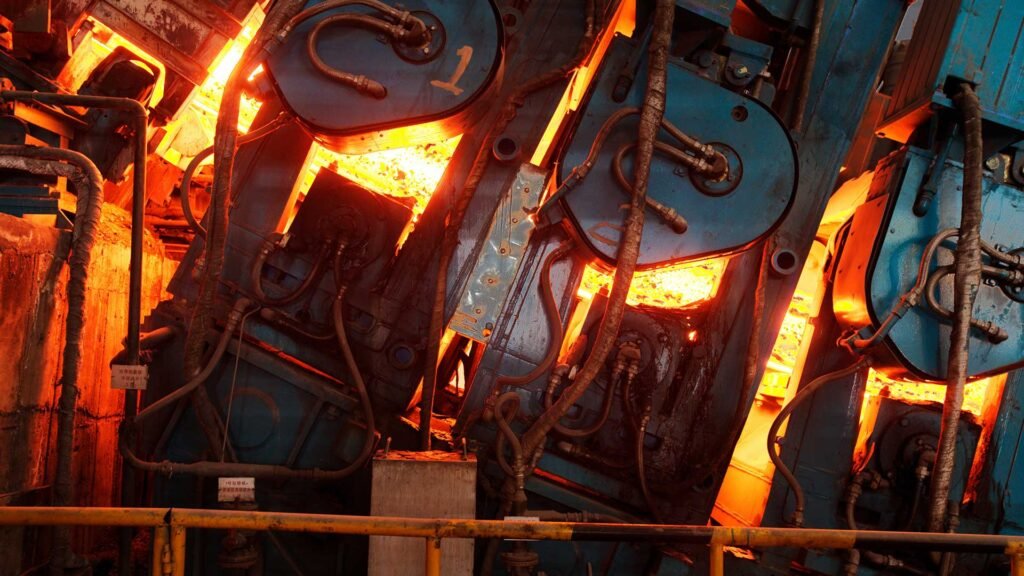
Pattern & Mould Preparation

Preparation according to the selected casting route.

Melting & Pouring

Controlled melting and pouring for the specified material.

Shakeout & Cleaning

Removal of moulding material and initial casting cleaning.

Fettling & Surface Preparation

Removal of gates, risers, flash, and agreed surface preparation.

Selected castings receive drawing-defined CNC machining and specified surface finishing according to the required delivery condition.

Setup & Datum Alignment

Part positioning based on confirmed machining datums.

Milling & Boring

Machining of specified faces, profiles, and bores.

Drilling & Threading

Processing of drawing-defined holes and threaded features.

Surface Preparation & Finishing

Specified surface preparation, treatment, or coating after machining.

Examples of structural castings supplied in different geometries and agreed delivery conditions for industrial equipment projects.

Mechanical & Metallurgical Testing

Tensile, impact, hardness, or metallographic testing is arranged on applicable samples or coupons when required by the material specification or project.

Mechanical & Metallurgical Testing

Tensile, impact, hardness, or metallographic testing is arranged on applicable samples or coupons when required by the material specification or project.

Mechanical & Metallurgical Testing

Tensile, impact, hardness, or metallographic testing is arranged on applicable samples or coupons when required by the material specification or project.

Mechanical & Metallurgical Testing

Tensile, impact, hardness, or metallographic testing is arranged on applicable samples or coupons when required by the material specification or project.

Inspection activities are carried out according to the approved drawing and the confirmed project-specific inspection scope.

Visual Inspection

Checking the agreed casting and surface condition.

Dimensional Inspection

Verification of drawing-defined dimensions and critical features.

Specified Testing & NDT

Project-specific testing or NDT when required.

Final Inspection & Release

Final checks of components, records, protection, and packing.

Want to understand how your structural casting could be produced and inspected?
Send your drawing or available part details for an initial manufacturing review.

Questions Buyers Ask About Custom Structural Castings

Quick answers about structural casting types, material and process selection, delivery conditions, quotation requirements, inspection, and documentation.

Structural Casting Questions

LANJIAN manufactures made-to-order structural castings for industrial machinery and equipment. Typical products include machine bases and beds, cast equipment frames and supports, conveyor structural components, mounting components, counterweights, and heavy equipment castings.

Each component is produced according to customer drawings, samples, or confirmed technical requirements rather than supplied as a standard stock product.

Available materials include cast iron, carbon steel, alloy steel, and stainless steel. Material selection depends on the required strength, impact or wear resistance, corrosion conditions, operating temperature, vibration characteristics, machinability, and applicable material standard.

If the material grade has already been specified, it is reviewed together with the drawing and service requirements before the manufacturing route is confirmed.

Sand casting is commonly considered for large or heavy structural components, substantial sections, and projects requiring flexible mould and core arrangements. Lost foam casting may be suitable for integrated or complex geometries where reducing parting lines or core assembly could be beneficial.

Neither process is automatically better. Material, part size, wall thickness, internal geometry, quantity, tolerance, surface expectations, machining allowance, and inspection requirements must be reviewed together.

A structural casting may be suitable when the design requires an integrated shape, substantial or varying sections, complex geometry, or repeat production. Welded fabrication may be more appropriate for plate-based structures, open or very large frames, lower quantities, or designs that may require frequent modification.

The decision should consider loading, material, geometry, tooling, machining, production quantity, inspection, and total manufacturing cost—not the initial unit price alone.

Yes. Depending on the project, structural castings can be supplied as casting blanks, rough-machined castings, finish-machined components, surface-finished components, or assembly-ready parts.

As-cast and machining tolerances are evaluated separately. Critical datums, mounting faces, bores, holes, threads, and interfaces may require CNC machining, while surface preparation, treatment, or coating is applied according to the confirmed delivery requirements.

Sourcing & RFQ Questions

For an accurate quotation, please provide available 2D drawings, 3D models, material requirements, order quantity, estimated annual demand, critical dimensions and tolerances, machining scope, surface requirements, inspection standards, documentation, and required delivery condition.

If a complete drawing is not yet available, samples, sketches, photos, main dimensions, application details, and working conditions can support an initial manufacturing review. An approved production drawing will still be required before manufacturing begins.

Custom structural castings normally require a new pattern and, where applicable, project-specific core or mould tooling. The tooling type and cost depend on the selected casting process, part geometry, required accuracy, expected production quantity, and tooling life requirements.

If existing tooling, samples, or pattern data are available, they can be reviewed to determine whether they are suitable for the proposed production route.

Quotation price, MOQ, and lead time cannot be determined from the product name alone. Important factors include material, part size and weight, casting complexity, tooling, batch quantity, casting route, heat treatment, machining time, surface finishing, inspection, documentation, and packing requirements.

Lead time may also include drawing review, tooling preparation, sample or first-article approval, casting, machining, inspection, and final packing. These details are confirmed after the technical information has been reviewed.

Depending on the project, the inspection scope may include visual and dimensional inspection, material verification, chemical analysis, mechanical or metallurgical testing, and specified NDT such as MT, PT, UT, or RT.

The inspection method, applicable standard, inspection area, sampling frequency, acceptance level, and required report format should be stated in the RFQ and confirmed before production. Third-party inspection can also be discussed when required.

Packing is selected according to the component’s size, weight, geometry, machined areas, surface condition, lifting requirements, and transportation route. Machined faces, holes, threads, and functional interfaces are protected as required, while components are supported and secured to reduce movement or contact damage during handling.

Suitable pallets, skids, crates, or supporting frames may be considered according to the project. Corrosion protection, moisture protection, lifting marks, shipping marks, and final packing requirements are confirmed before shipment.

Didn’t find the answer you need? Our team is ready to help with your structural casting project.
 
Contents

Structural Casting Buying Guides

  • Reading Time: 6–8 min
  • Buyer Type: OEMs / Equipment Manufacturers / Engineers / Procurement Teams
  • Product Scope: Machine Bases / Industrial Frames / Conveyor Components / Heavy Equipment Castings
  • Decision Focus: Casting Suitability / Casting vs Fabrication / Pre-Tooling Review / Supplier Evaluation

Practical guidance to help engineers and procurement teams understand structural castings, compare manufacturing routes, prepare for tooling, and evaluate potential suppliers.

Before You RFQ Structural Castings, Confirm These 4 Things:

✓  Part information: 2D drawings, 3D models, samples, dimensions, and the current drawing revision

✓  Material requirements: material grade or standard, operating conditions, and any required heat treatment

✓  Delivery scope: casting blank, machined component, surface-finished part, or assembly-ready delivery

✓  Order and acceptance requirements: order quantity, critical dimensions, inspection scope, required reports, and delivery destination

1. What Are Structural Castings?

If a component supports equipment, carries loads or keeps other parts correctly aligned, it may be considered a structural casting.

Structural castings are cast metal components that form part of the supporting structure of industrial machinery. They are used to carry or transfer loads, maintain equipment alignment, and provide stable mounting or connection points for other components.

Is Your Component a Structural Casting?

It may belong to this category if it:

  • Supports equipment: such as a machine base, bed or industrial frame.
  • Positions other components: such as bearings, pulleys, motors or drive systems.
  • Combines structural features: such as ribs, bosses, supports and mounting surfaces in one cast body.

Typical examples include machine bases and beds, equipment frames, conveyor supports and structural components used in mining or heavy machinery.

What Buyers Should Know

“Structural casting” describes the function of the component, not a particular material or casting process. These parts are usually manufactured according to customer drawings rather than selected from stock.

Before quotation, the drawing, operating conditions, machining requirements and expected quantity should be reviewed to determine whether casting is suitable and which manufacturing route should be used.

2. When Should a Structural Component Be Cast Rather Than Fabricated?

Casting is generally more suitable when complex shapes and multiple functional features need to be formed in one body. Welded fabrication may be more practical for simpler structures, lower quantities or designs that may still change.

When Casting May Be More Suitable

Casting can integrate ribs, bosses, bearing supports, mounting areas and varying sections into a single component. It may reduce the number of separate parts, welded joints and assembly steps—especially when the design is stable and repeat demand can justify tooling.

When Fabrication May Be More Suitable

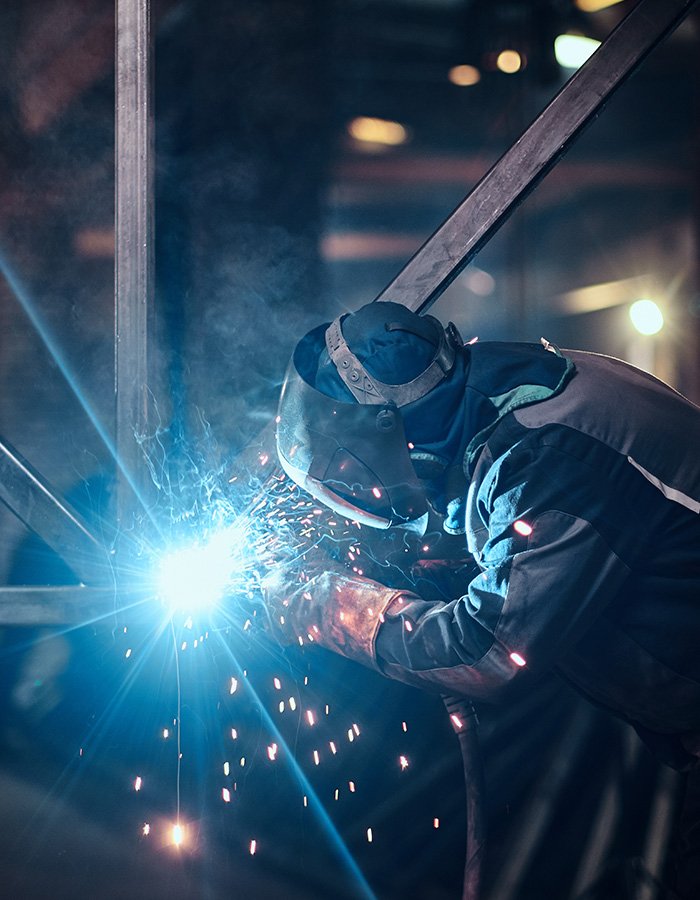
Welded fabrication may be more practical when the component can be constructed mainly from standard plates, tubes or sections. It is also worth considering for prototypes, smaller quantities or projects where the design is likely to be revised.

What Buyers Should Know

Neither route is automatically better. Buyers should compare the complete delivered component—including tooling, material, forming or welding, CNC machining, inspection and assembly—not only the initial unit price.

Quick Route Comparison

Decision FactorCasting May Be More SuitableFabrication May Be More Suitable
Component geometryComplex shapes and integrated structural featuresStructures formed mainly from plates, tubes or sections
Part constructionSeveral parts or joints can be consolidated into one bodyA multi-part welded structure is practical
Quantity and toolingStable design with repeat demandPrototype, small quantity or tooling is difficult to justify
Design changesDimensions and interfaces are largely finalizedFurther revisions are expected
Cost evaluationTooling, casting and machining must be considered togetherMaterial, welding, distortion control and machining must be considered together

If the manufacturing route has not been decided, send the drawing, expected quantity, critical interfaces and possible future design changes for an initial review.

3. What Should You Confirm Before Approving Casting Tooling?

Before approving casting tooling, confirm that the supplier has the final design revision, understands the required finished component, and has agreed the sample approval criteria and tooling terms. This helps reduce the risk of incorrect tooling, unexpected modification costs and delays during sample approval.

Four Questions to Ask Before Approval

Ask Before Approving ToolingWhat Should Be Confirmed
Is the supplier using the final design?The approved 2D drawing and 3D model use the same revision, and any details that may still change are clearly identified.
Does the supplier understand the finished component?Confirm the material, delivery condition, machining scope and critical mounting, alignment or connection features.
How will the first sample be approved?Agree which dimensions, functional interfaces, inspection records and other requirements will be used for acceptance.
What do the tooling terms include?Confirm tooling cost, ownership, storage and responsibility for modifications before making the payment or releasing the order.

You do not need to determine the pattern structure, parting method or casting allowances yourself. The supplier should review casting feasibility, machining requirements and critical interfaces, then raise any unresolved issues before tooling begins.

If the design is still being revised, identify the open items first. Tooling should only be approved when both sides understand what will be produced, how the sample will be accepted and how later changes will be handled.

For a pre-tooling review, send the latest drawing revision, required delivery condition and expected quantity.

4. How to Choose a Structural Casting Supplier

Choosing a structural casting supplier is not only about comparing prices. Focus on whether the supplier can translate the approved drawing into a repeatable finished component and maintain control from pre-tooling review through batch production.

Clear Delivery Scope

Confirm whether the quotation covers a casting blank, rough-machined part, finish-machined component, surface-finished part or assembly-ready component. Critical datums, bores, mounting faces and connection interfaces should also be clearly identified.

Pre-Tooling Technical Review

Before tooling begins, the supplier should review the drawing for issues that could affect casting, machining or inspection. Unresolved requirements should be clarified and recorded before tooling approval to reduce later modifications and repeated sampling.

Casting-to-Machining Planning

Machining allowances, locating references, clamping areas and critical machined features should be considered during casting preparation. The supplier should be able to explain how the casting will support accurate positioning and machining of the finished component.

One Point of Responsibility

Confirm who will manage tooling, casting, CNC machining, finishing and final inspection. Even when qualified production partners are involved, one responsible supplier should control the approved drawing, acceptance requirements, quality issues and final delivery.

Sample-to-Batch Control

The approved sample should establish the basis for repeat production, including tooling, material requirements, casting route, machining requirements and inspection criteria. Significant changes to the production source or manufacturing route should be reviewed before later batches proceed.

Tooling-to-Production Schedule

The schedule should define when the lead time begins and cover tooling, trial casting, sample machining, approval and batch production. Confirm when production capacity will be reserved; otherwise, the quoted lead time may remain an estimate rather than a committed schedule.

CUSTOM STRUCTURAL CASTINGS

Ready to Source Custom Structural Castings?

LANJIAN coordinates casting, CNC machining, finishing and inspection around your finished-component requirements, helping reduce supplier handoffs and keep each production stage aligned.

Privacy note:
Your drawings and project information are kept confidential and used only for project review and quotation.

Prefer Email?

info@ljindustry.com

Ready to Source Custom Structural Castings?

LANJIAN coordinates casting, CNC machining, finishing and inspection around your finished-component requirements—from pre-tooling review through final delivery.