
Surface Treatment & Finishing for Custom Industrial Components
LANJIAN provides surface treatment and finishing for custom structural castings, welded frames, machined housings, transmission components, and wear parts. From casting cleanup and surface preparation to protective coating and final inspection, each route is defined according to the material, component geometry, service environment, critical surfaces, and project specifications.
- Casting Cleaning & Fettling
- Grinding, Deburring & Weld Dressing
- Shot Blasting & Air Abrasive Blasting
- Industrial Painting & Powder Coating
- Temporary Rust Protection
- Critical Surface Masking
For drawing-based components supplied cleaned, surface-prepared, coated, corrosion-protected, or assembly-ready.

What Surface Treatment and Finishing Can LANJIAN Provide?
LANJIAN provides and coordinates casting cleaning, fettling, grinding, deburring, edge and weld dressing, shot blasting, air abrasive blasting, industrial painting, powder coating, and temporary rust protection for custom industrial components.
Before treatment, we confirm the base material, component condition, service environment, surfaces to be treated, areas to remain uncoated, and required inspection criteria. Machined datums, bearing bores, sealing faces, threads, ports, assembly interfaces, and internal cavities are identified according to the approved drawing. Depending on the requirement, these areas may be masked, plugged, cleaned, coated, temporarily protected, or kept free from coating.
Additional corrosion-resistant, material-specific, or wear-resistant treatments can be reviewed and coordinated when specified. Availability is confirmed according to the material, part size, technical standard, processing route, and inspection requirements.
Core Process Scope
- Casting and fabrication cleanup
- Grinding, deburring and local surface correction
- Blasting and coating surface preparation
- Protective painting and powder coating
- Temporary protection for storage and export
- Project-specified finishing treatments
Available Delivery Conditions
- Cleaned and Fettled
- Ground and Deburred
- Blasted and Surface-Prepared
- Painted or Powder-Coated
- Temporarily Corrosion-Protected
- Surface-Finished and Assembly-Ready
What Is Surface Treatment & Finishing for Industrial Components?
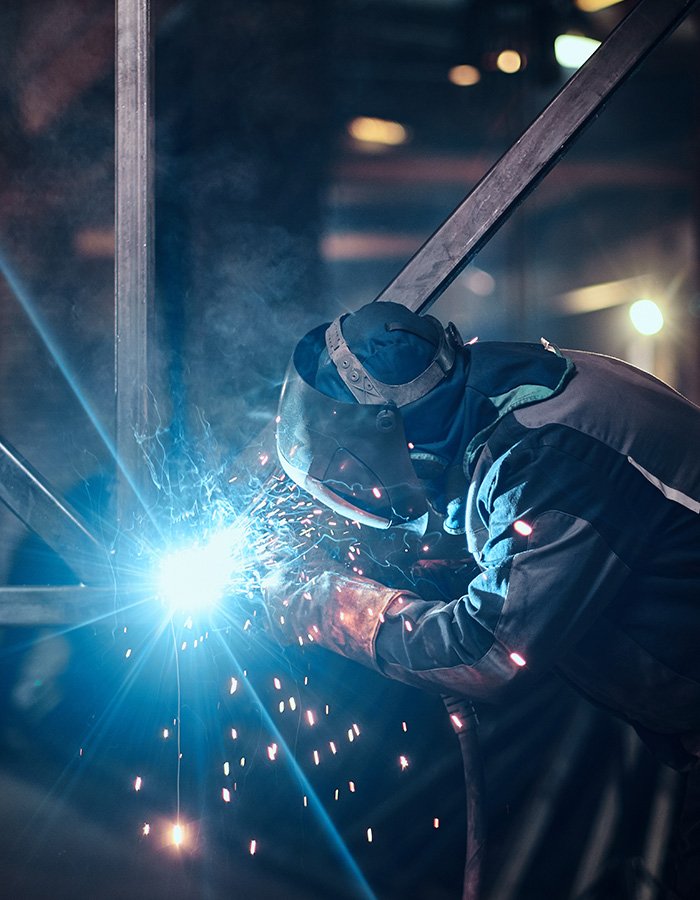
Surface treatment and finishing for industrial components are controlled mechanical, chemical, or coating operations used to clean, refine, prepare, protect, or modify the surfaces of cast, welded, and machined parts. Their purpose is to achieve the specified surface condition, corrosion or wear protection, appearance, cleanliness, and assembly performance while ensuring that critical dimensions and functional interfaces remain within the drawing requirements.
These operations may be carried out after casting, after welding, before or after CNC machining, or at several stages of the same manufacturing route. The appropriate sequence depends on the component material, initial surface condition, geometry, critical areas, service environment, and final delivery requirements.
Core Process Scope
Surface treatment and finishing may begin with:
- As-cast components with adhered sand, scale, fins, or gate and riser remnants
- Welded structures with slag, spatter, weld transitions, or sharp edges
- Machined components with finished bores, sealing faces, threads, or datum surfaces
- Prepared components requiring coating, corrosion protection, or final surface control
What Must Be Achieved?
A suitable finishing route should:
- Establish the required cleanliness, texture, edge condition, or surface profile
- Prepare the substrate for the specified coating or protective treatment
- Provide the required corrosion, wear, storage, or transportation protection
- Keep machined and assembly-critical surfaces functional
- Deliver the component in the specified surface condition
Where Does It Fit in Manufacturing?
Surface treatment and finishing may take place at different production stages:
- After casting or welding: to establish a suitable surface for inspection or further processing
- Before CNC machining: to remove contaminants and expose the actual component surface
- Before coating: to prepare the substrate for the selected finishing system
- After CNC machining: to apply final protection while controlling machined and assembly-critical areas
- Before delivery: to complete final inspection, corrosion protection, and packaging preparation
Surface finishing is not the same as CNC finish machining. Surface finishing controls surface condition, cleanliness, appearance, and protection, while CNC machining controls dimensions, tolerances, fits, and machined features.
Verified Surface Treatment & Finishing Capability
LANJIAN provides surface cleaning, mechanical finishing, blast preparation, protective coating, masking and final inspection for custom castings, welded fabrications and machined components. The applicable route is selected according to the material, component condition, service environment and approved finish specification.
Capability | Available Process | Applicable Components | What Is Controlled | |||
Casting Cleaning & Fettling | Removal of adhered sand, core residue, scale, fins, and remaining gate or riser material after cut-off | Structural castings, housings, supports and wear parts | Internal cleanliness, remaining material, machining allowance and critical geometry | |||
Grinding & Deburring | ||||||
Weld & Edge Dressing | Removal of slag and spatter, with controlled dressing of specified weld transitions and edges | Welded frames, equipment bases, fabricated structures and cast-weld assemblies | Required weld profile, edge condition, coating access and adjacent machined surfaces | |||
Shot Blasting | Mechanical removal of residual sand, loose scale, surface oxidation and rust | Cast iron and steel castings, frames, housings and wear parts | Coverage, component loading, internal cavities, blind areas and required surface condition | |||
Air Abrasive Blasting | Directed abrasive cleaning and preparation before painting or another specified finish | Large structures, welded frames and geometrically complex components | Abrasive selection, treated areas, excluded surfaces, cleanliness and surface profile | |||
Pre-Coating Cleaning | Removal of oil, grease, dust and loose contamination before coating | Cast, fabricated and machined components requiring protective coating | Surface cleanliness, dryness, remaining dust and coating compatibility | |||
Industrial Painting | Application of the specified primer, intermediate coat or topcoat | Structural castings, welded frames, housings and outdoor equipment components | Coating system, mixing, application sequence, color, film thickness and curing | |||
Powder Coating | Electrostatic powder application followed by heat curing | Suitable housings, brackets, frames and fabricated components | Part size, oven limits, grounding, masking, curing and casting outgassing | |||
Temporary Rust Protection | Removable protection for exposed ferrous and machined surfaces | Machined castings, housings, mounting faces and components awaiting assembly | Protection period, storage conditions, export packaging and removal method | |||
Masking & Plugging | Protection of areas that must remain uncoated or free from abrasive and coating contamination | Bearing bores, sealing faces, threads, ports, datum surfaces and assembly interfaces | Masking boundaries, thread condition, port cleanliness and coating-related dimensional growth | |||
Final Surface Inspection | Inspection of the completed surface condition before packaging and shipment | All surface-treated components | Appearance, coverage, masking, cleanliness, agreed coating checks and visible damage |
Capability Confirmed Against Your Drawing
The capabilities above define our general surface treatment and finishing scope. Final feasibility is confirmed after reviewing the material, component size and geometry, initial surface condition, service environment, protected areas, finish specification and inspection requirements.
For components requiring specialized treatments or conditions outside the listed scope, submit your drawing and technical requirements for an individual manufacturing review.
How Are Machined and Critical Surfaces Protected?
Critical surfaces are controlled through an approved drawing or surface map that defines which areas must be treated, remain uncoated, receive temporary protection, or meet a specific cleanliness requirement. This prevents coating build-up, abrasive contact and process contamination from affecting fit, sealing, fastening, fluid flow, electrical contact or subsequent assembly.
Surface Conditions Defined Before Production
- Treatment Required — the specified finish is applied
- Keep Uncoated — the original or machined surface remains free from coating
- Temporary Protection — removable corrosion protection is applied
- Cleanliness Controlled — internal areas remain free from abrasive, dust and coating residue
Critical Area | Functional Risk | Protection Requirement | ||
Machined Datums & Mounting Faces | Coating build-up may affect positioning, seating or assembly alignment | Mask to the defined drawing boundary and apply removable protection where corrosion prevention is required | ||
Bearing Bores, Fits & Sealing Faces | Abrasive contact, scratches or coating thickness may affect dimensional fit and sealing | Isolate the complete functional area using suitable covers, plugs or precision masking | ||
Threads & Fastener Interfaces | Paint, powder or abrasive residue may restrict engagement or alter assembly torque | Protect internal and external threads with matching plugs, caps or sacrificial hardware | ||
Oil, Hydraulic & Ventilation Passages | Residual abrasive, dust or coating material may contaminate the operating system | Seal all specified openings and define the required internal cleanliness condition | ||
Internal Cavities | An unsuitable coating may react with oil, coolant, water or other service media | Specify whether the cavity remains clean and uncoated or receives an approved compatible lining | ||
Grounding & Electrical Contact Areas | A non-conductive coating may interrupt grounding or electrical continuity | Maintain a clearly defined bare-metal contact area with temporary protection when necessary | ||
Future Weld or Assembly Areas | Coating may interfere with welding, bonding, fastening or final assembly | Reserve the required untreated area and define the transition boundary on the drawing | ||
Identification & Traceability Areas | Blasting or coating may obscure serial numbers, markings or nameplate positions | Protect the original marking or define how identification will be restored after finishing |
Protection Boundaries Confirmed Against the Drawing
If the treated and untreated areas are not clearly defined, LANJIAN confirms the surface boundaries before processing. Coating allowance is also considered where it may affect fits, clearances or assembly interfaces.
If coating removal or local correction is required after finishing, the permitted rework area and method are confirmed before the surface is modified.
How Does Our Surface Treatment & Finishing Process Work?
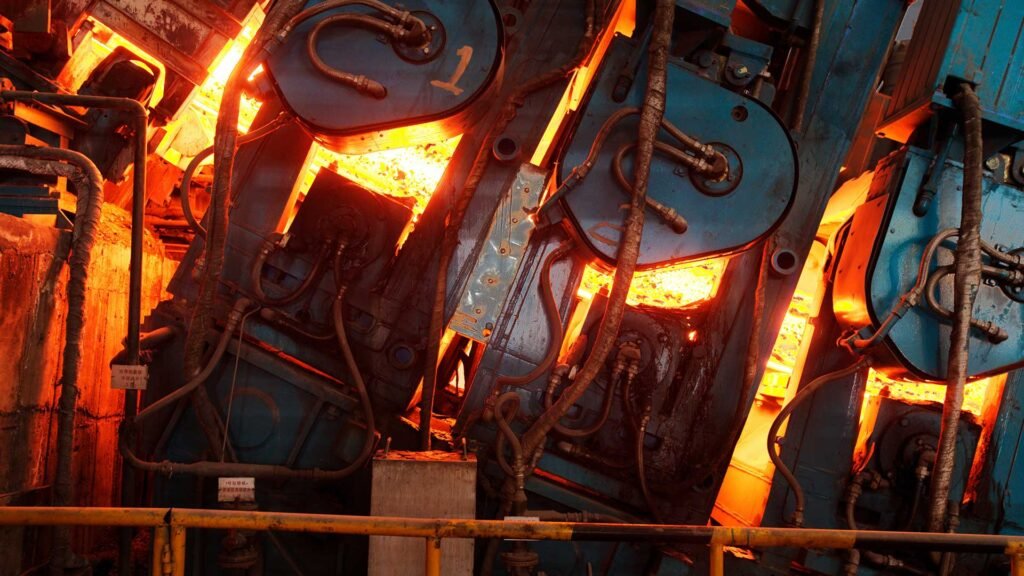
LANJIAN’s surface treatment and finishing process starts by confirming the drawing, material, process sequence and finish specification. Components are inspected, cleaned, mechanically finished, surface-prepared, masked and treated before curing, final inspection and protective packaging. The sequence is adjusted when casting, welding, heat treatment or CNC machining is included in the manufacturing route.
01 — Drawing & Process Route Review
We confirm the approved drawing, material, initial component condition, service environment, required finish, inspection criteria and areas to remain uncoated. The sequence between cleaning, welding, machining and final finishing is defined before production.
02 — Initial Surface Inspection
The component is checked for adhered sand, scale, rust, oil, burrs, sharp edges, weld spatter and visible surface irregularities. Conditions requiring further treatment are evaluated against the applicable acceptance criteria, and repairs are performed only when permitted by the approved procedure.
03 — Casting & Fabrication Cleanup
Adhered sand, core residue, fins, remaining gate or riser material, weld slag and spatter are removed. Internal cavities and difficult-to-reach areas are checked where they may affect machining, coating or assembly.
04 — Mechanical Finishing & Surface Preparation
Burrs, sharp edges, local high spots and specified weld transitions are ground or dressed as required. Oil and grease are removed before shot or air abrasive blasting, followed by the removal of dust and residual abrasive before coating.
05 — Masking & Plugging
Bearing bores, sealing faces, threads, datum surfaces, ports, assembly interfaces and other areas that must remain uncoated are masked, plugged or temporarily protected according to the drawing.
06 — Coating or Specified Treatment
Industrial paint, powder coating, temporary rust protection or another approved treatment is applied using the confirmed materials and process sequence. Coating layers, protected areas and application requirements follow the project specification.
07 — Curing & Final Inspection
The finish is dried or cured under the required conditions. Components are released for handling and packaging only after the specified curing condition has been achieved. Appearance, coverage, masking boundaries, cleanliness and agreed coating requirements are then inspected.
08 — Protection & Packaging
Machined and finished surfaces are protected against corrosion, impact and abrasion during handling, storage and transportation. Threads, ports and internal passages are checked before the component is packed for delivery.
The final process route is confirmed for each component because its material, geometry, machining sequence, critical surfaces and finish specification can change the required order of operations.
How Is Surface Treatment & Finishing Quality Controlled?
Surface treatment and finishing quality is controlled by verifying the component surface before treatment, checking surface preparation, controlling coating materials and application conditions, and inspecting the completed finish against the approved specification. The inspection scope depends on the material, finishing method, service environment and agreed acceptance criteria.
01 — Specification & Inspection Planning
The approved finish specification defines the surfaces to be treated, preparation requirements, coating system, color, film thickness, protected areas, inspection methods and acceptance criteria.
02 — Base Surface Acceptance
Before coating, the component is checked for residual sand, scale, oil, rust, burrs, sharp edges, weld spatter and visible surface irregularities. Casting or welding discontinuities are evaluated separately and are not concealed by the finish.
03 — Surface Preparation Verification
The prepared substrate is checked for the specified visual cleanliness and surface condition. Surface profile, residual dust and soluble contamination are measured when required by the coating specification.
04 — Environmental & Material Control
Coating identity, batch, shelf life, mixing ratio, induction time and usable working time are controlled where applicable. Air temperature, surface temperature, relative humidity and condensation risk are recorded when required.
05 — Application & Film Thickness Control
Application sequence, layer coverage, recoat intervals and wet or dry film thickness are controlled against the approved coating system. Edges, welds, corners and recessed areas receive additional attention because they are susceptible to inadequate coverage.
06 — Curing Verification
Drying or curing conditions are confirmed before the component is released for handling or packaging. For heat-cured finishes, the actual component temperature and required curing period may be verified instead of relying only on the oven setting.
07 — Final Surface Inspection
The completed finish is inspected for coverage, color, runs, sags, blistering, pinholes, exposed substrate, contamination and handling damage. Masking boundaries, threads, ports, machined surfaces and specified internal areas are also checked.
08 — Records, Repair & Final Release
Required results such as dry film thickness, adhesion, curing condition or color are recorded according to the inspection plan. Nonconforming areas are documented, repaired using an approved method and reinspected before final release.
Inspection methods and acceptance limits are confirmed for each project. Applicable references may include ISO 11971 or ASTM A802 for casting surface acceptance; ISO 8501, ISO 8502 and ISO 8503 for surface preparation; ISO 19840 or ASTM D7091 for dry film thickness; and ASTM D3359 or ASTM D4541 for coating adhesion. The applicable standard, edition, test location and acceptance criteria are agreed before production.
Questions Buyers Ask About Surface Treatment & Finishing
These answers address the practical questions procurement and engineering teams ask when specifying surface preparation, protective coatings and finishing requirements for cast, fabricated and machined industrial components.
The correct treatment depends on the base material, initial surface condition, service environment, component geometry, finishing objective and critical surfaces. LANJIAN reviews these factors together with the drawing and finish specification before confirming the process route.
Shot blasting typically uses mechanically projected abrasive media for efficient cleaning of castings and fabricated components. Air abrasive blasting—often called sandblasting—uses compressed air and selected media, providing greater control over localized areas and specified surface profiles. Neither process provides long-term corrosion protection unless followed by a suitable protective treatment.
Powder coating can provide a uniform and durable finish for components within the applicable handling and curing limits. Industrial painting is generally more adaptable to large or complex parts, multi-layer corrosion-protection systems and localized repairs. The choice depends on component size, service environment, appearance, curing limits and coating specification.
Yes. Final coating can be applied after machining while bearing bores, sealing faces, threads, datum surfaces and ports are protected by masking or plugging. Coating thickness must also be considered where it could affect fits, clearances, sealing or assembly.
Only when the coating is compatible with the operating fluid, temperature and cleanliness requirements. Gearbox interiors, oil passages and coolant cavities may remain clean and uncoated or receive a specifically approved internal lining. Standard exterior paint should not automatically be used inside a component.
Yes. Cast iron may require additional control for embedded sand, porosity and coating outgassing. Carbon and alloy steels require prompt protection after blasting to limit flash rust. Stainless steel requires material-compatible tools and media to reduce the risk of carbon-steel contamination.
LANJIAN can review customer-specified primers, intermediate coats, topcoats, powder systems, colors and film-thickness requirements, subject to material compatibility, component size, process availability and technical feasibility. The complete coating system and acceptance criteria are confirmed before production.
Inspection may cover substrate condition, surface cleanliness, surface profile, application environment, film thickness, curing, appearance and masking boundaries. Adhesion or other project-specific tests are performed on designated areas or representative test panels when specified. Test methods, sampling frequency and acceptance limits are agreed before production.
No. ASTM B117 salt spray testing compares defined coating systems and specimens under controlled laboratory conditions, but the test duration cannot be directly converted into years of outdoor service. Actual durability also depends on surface preparation, coating system, component design, UV exposure, moisture, salts, damage and maintenance.
Please provide the drawing, material, component dimensions and weight, order quantity, service environment, treated and untreated areas, required finish, color, film thickness, inspection criteria and packaging requirements. If the coating specification is incomplete, the missing technical requirements can be identified during project review.
Ready to Finish and Protect Your Industrial Components?
Send your drawing, material details or available finish specification. LANJIAN will review the initial surface condition, preparation route, coating requirements, critical areas, inspection criteria and final delivery condition before quotation.
- Surface Preparation and Finishing Route Reviewed
- Machined and Critical Areas Identified
- Coating System, Color and Film Thickness Confirmed
- Inspection and Delivery Requirements Defined
Privacy note:
Your drawings and project information are kept confidential and used only for technical review, quotation and order execution.
Prefer Email?
Start Your Surface Finishing Project
Send what you have. We’ll review your surface treatment and finishing requirements and identify what still needs to be confirmed before quotation.