
OEM Manufacturing for Custom Industrial Components
From customer drawings to production-ready industrial components.
Send your drawing, 3D model, sample information, or technical requirements. We review the manufacturing scope before quotation and production.
- Drawing-based custom manufacturing
- Multiple manufacturing processes coordinated as required
- Requirements reviewed before production
How Does OEM Manufacturing Work With LANJIAN?
LANJIAN provides OEM manufacturing for custom industrial components based on customer drawings, 3D models, sample information, or technical requirements. We review the project and define the manufacturing scope before quotation. Once the requirements are confirmed, the project moves into production, inspection, packaging, and delivery.
01 - Project Input
Send your drawing, 3D model, sample information, or available technical requirements so the project can be reviewed.
02 - Technical Review
We review the component design, material, quantity, machining needs, critical features, and inspection requirements.
03 - Manufacturing Scope
We define the manufacturing route and required production stages according to the component and project requirements.
04 - Production & Delivery
After quotation and requirement confirmation, the project moves into production, inspection, packaging, and delivery.
What Types of OEM Projects Can LANJIAN Support?
LANJIAN supports OEM manufacturing for custom industrial components based on customer drawings, models, samples, or technical requirements, with the manufacturing and delivery scope defined according to each project.
OEM Project Area | LANJIAN Scope |
Component Families | Structural castings, welded frames & fabrications, housings & transmission components, wear resistant parts |
Project Inputs | Drawings, 3D models, sample information, or technical requirements |
Materials | Stainless steel, carbon steel, alloy steel, and cast iron |
Manufacturing Routes | Sand casting, lost foam casting, CNC machining, welding & fabrication, surface treatment, and assembly |
Delivery Scope | Primary manufactured, machined, finished, or assembly-ready components depending on project requirements |
What We Need to Review Your Project
Start With the Information You Already Have
Start with your drawing, 3D model, sample information, or other project details currently available. You do not need every requirement finalized before contacting LANJIAN. The available information gives us a starting point to review the component and identify what still needs to be confirmed for quotation.
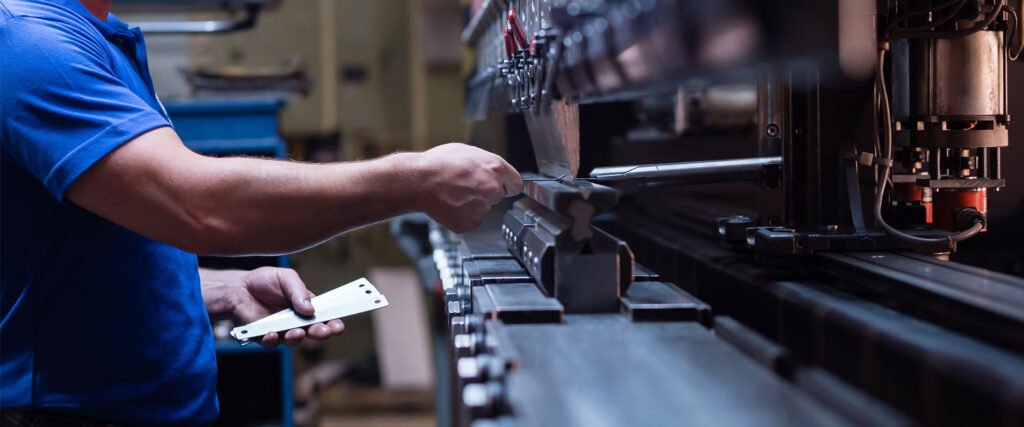
Drawing, 3D Model or Sample Information
Send the clearest product information currently available so we can understand the component geometry, dimensions, features, and basic manufacturing requirements.
Material & Quantity
Specified material, estimated order quantity, or expected demand.
Machining & Critical Features
Machined surfaces, holes, interfaces, critical dimensions, or other important requirements.
Finishing, Inspection & Delivery
Surface requirements, inspection needs, required records, and the condition in which the component should be supplied.
What LANJIAN Reviews
Component & Process Review
We review the component requirements and identify the likely manufacturing route for further evaluation.
Machining & Critical Requirements
Machining features, interfaces, critical dimensions, and other requirements that may affect production and inspection are identified.
Inspection & Delivery Scope
We review what needs to be inspected and how far the component needs to be manufactured before delivery.
Items to Confirm
Missing or unclear requirements are identified for confirmation before quotation or production.
Have a Drawing Ready?
Send what you have. We’ll review the project and identify what still needs to be confirmed for quotation.
How Your Component Will Be Manufactured
The production route is built around your drawing and confirmed project requirements—not a fixed process.
Once the project requirements are clear, LANJIAN determines which manufacturing stages are needed to take the component from its primary form to the required delivery condition.
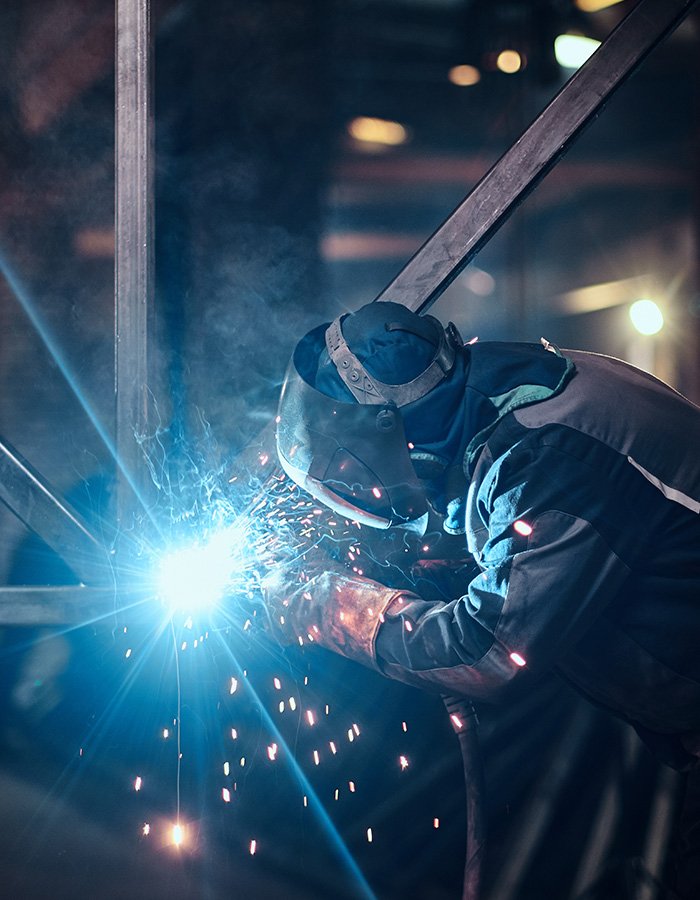
01 — Primary Manufacturing
The component begins with the appropriate primary manufacturing route, such as casting or welding & fabrication, according to the reviewed design, material, quantity, and project requirements.
02 — CNC Machining Where Required
Machined faces, holes, bores, mounting features, interfaces, and other specified areas are completed according to the confirmed drawing requirements.
03 — Finishing & Assembly Where Required
Surface finishing or assembly is added when it forms part of the agreed project scope and required delivery condition.
04 — Final Inspection
The completed component is checked against the confirmed technical and inspection requirements before it moves to packaging and delivery.
Not every component requires every stage. The manufacturing route is determined by the drawing and the requirements confirmed for the individual project.
What Can You Expect for Quotation, MOQ and Lead Time?
Once your drawing and manufacturing requirements have been reviewed, we can confirm the quotation, tooling requirements, order quantity, and expected production schedule for your project.
Quotation
Integrated Manufacturing, One Project Quotation
Pricing is evaluated from your drawing based on the required manufacturing processes and production stages. Casting or fabrication, CNC machining, finishing, assembly, and inspection can be combined into one project scope where required.
Fewer suppliers and process handoffs can reduce sourcing and coordination costs, helping keep the overall project cost more efficient.
Send your drawing and required quantity for a project-based quotation.
MOQ
No Fixed MOQ for Most OEM Projects
Small trial orders and production batches can be arranged according to your project needs.
Need only one piece for evaluation? A 1-piece prototype can also be produced when required.
If a new pattern or tooling is required, the related tooling cost will be quoted separately.
Lead Time
Tooling Time + Production Time
For custom components, tooling and production schedules are confirmed separately so you can understand the expected project timeline before production begins.
About 20–25 Days
Straightforward projects that do not require new tooling can typically move directly into production.
Typically About 25–40 Days
Simple patterns or tooling may require approximately 3–7 days, followed by about 20–30 days of production.
Complex tooling may require approximately 20–40 days of preparation before production and will be confirmed after drawing review.
The timelines above refer to manufacturing and do not include international shipping time.
How Is Your OEM Order Controlled From Production to Delivery?
Once your drawing, quotation, and order requirements are confirmed, the next priority is making sure the parts you receive match what was agreed. For a custom OEM order, this means keeping the production basis, critical quality requirements, inspection criteria, and delivery requirements aligned from the start of production through final shipment.
01 Approved Requirements → 02 Production Control → 03 Final Acceptance & Delivery
01
BEFORE PRODUCTION
Approved Requirements
Define what will be manufactured and how the finished parts will be accepted.
Confirm What Will Be Manufactured — and How It Will Be Accepted
Before your order enters production, you and LANJIAN confirm the technical and quality requirements that will be used throughout manufacturing and final inspection.
- Approved drawing and revision
- Material and order quantity
- Critical dimensions, interfaces, and machining requirements
- Surface finishing or assembly requirements
- Inspection, acceptance, and required records
- Packaging and identification requirements
When required:
Sample approval, first-piece inspection, or other project-specific verification can be confirmed before batch production.
The drawing and requirements used for manufacturing should also be used to determine whether the finished parts are acceptable.
02
DURING PRODUCTION
Production Control
Keep critical requirements, process changes, and potential quality issues under control before they affect the finished parts.
Control Critical Requirements Before Problems Move Forward
Once your order enters production, you do not need to follow every manufacturing operation. The focus should be on the points that could affect dimensions, interfaces, subsequent operations, or final acceptance.
- Critical dimensions and interfaces at the relevant production stage
- Machined features before finishing, coating, or assembly
- Requirements that affect subsequent manufacturing operations
- Specified inspection or testing that must be completed at the appropriate stage
- Drawing changes or production issues that could affect the approved part
When Your Confirmation May Be Needed
If a drawing change, technical question, or production issue could affect the finished component, the affected requirement should be clarified before the related work continues.
This helps avoid a problem being carried into later machining, finishing, assembly, or final inspection.
Any issue that could affect the approved drawing, critical features, or final acceptance should be reviewed before the affected parts move into the next manufacturing stage.
03
BEFORE SHIPMENT
Final Acceptance & Delivery
Verify that the finished parts, inspection results, and delivery preparation match the requirements confirmed for your order.
Accept the Finished Parts Against What You Approved
Before your order is released for shipment, the finished components should be checked against the approved drawing and the inspection and delivery requirements confirmed for the project.
- Critical dimensions, interfaces, and specified features
- Machined surfaces, finishing, and appearance requirements
- Agreed inspection and testing results
- Required inspection records or supporting documents
- Quantity, part identification, and markings
- Packaging, protection, and shipping marks
What Should Be Available for Final Acceptance?
Depending on your project requirements, acceptance evidence may include dimensional inspection results, material or testing records, inspection photos, or third-party inspection documents where specified.
If your purchasing or quality team requires specific reports or inspection evidence, these requirements should be agreed before production so they can be prepared with the order.
The order should move to final packaging and shipment only after the agreed product, inspection, documentation, identification, and packaging requirements have been completed.
Questions Buyers Ask About Custom OEM Manufacturing
Drawings & OEM Project Questions
Yes. LANJIAN provides OEM manufacturing for custom industrial components based on customer drawings and confirmed project requirements.
Depending on the component, the project scope may include sand casting, lost foam casting, welding and fabrication, CNC machining, surface finishing, assembly, and inspection. The required manufacturing route is reviewed according to the component design, material, quantity, and required delivery condition.
Start with your available drawing, 3D model, or other product information. For a more complete quotation, it is helpful to include the required material, quantity, critical dimensions or interfaces, machining requirements, surface requirements, inspection needs, and required delivery condition.
You do not need every detail finalized before contacting LANJIAN. Missing or unclear requirements can be identified during the project review before quotation.
Yes. A complete production drawing is helpful, but it does not have to be your starting point.
You can send a 3D model, sample information, sketch, dimensions, or the technical requirements currently available. LANJIAN can use this information to understand the component and identify which material, manufacturing, machining, inspection, or delivery requirements still need to be confirmed before quotation or production.
Yes. Most regular OEM projects do not have a fixed MOQ, and small quantities can be evaluated according to the component and manufacturing route.
For suitable projects, a 1-piece prototype can also be produced when you want to evaluate the part before placing a larger production order. If the project requires a new pattern or tooling, the related tooling cost is quoted separately.
Yes, when these operations are required by the component and included in the agreed project scope.
Instead of sourcing each production stage separately, casting or fabrication, CNC machining, finishing, assembly, and inspection can be coordinated within one OEM project where applicable. This can reduce separate supplier handoffs and make the component easier to manage from the primary manufacturing stage through its required delivery condition.
Quotation, Production & Quality Questions
Custom component pricing is based on the actual manufacturing requirements rather than a fixed price list.
Important cost factors can include material, manufacturing route, number of production stages, tooling or pattern requirements, order quantity, CNC machining, finishing, assembly, inspection, and other project-specific requirements.
When several operations are required, they can be evaluated together as one project scope and quotation.
Tooling requirements depend on the component and the selected manufacturing route.
For casting projects, a new pattern or other tooling may be required for a new component before production can begin. Projects that can use an existing production setup or do not require dedicated tooling may move into production more quickly.
When new tooling is required, the tooling requirement and related cost are reviewed from the drawing and quoted separately.
Tooling, component complexity, machining, finishing, inspection, and the number of required manufacturing stages can all affect production time.
For straightforward projects without new tooling, the production cycle may start from approximately 20–25 days. Projects requiring simple new tooling may typically require around 25–40 days in total. More complex tooling and production schedules are confirmed after drawing review.
These times refer to manufacturing and do not include international shipping.
The revised drawing or technical requirement should be reviewed before it is applied to the order.
A revision may affect tooling, material, machining, inspection, manufacturing operations, price, or production timing. If the change affects work that has already started, the impact should be confirmed before the affected manufacturing stage continues.
Keeping the approved drawing revision clear helps ensure production and final inspection follow the same requirements.
Inspection requirements should be defined according to the component and your purchasing or quality requirements.
Depending on the project, this may include dimensional inspection, material or testing records, inspection photos, NDT, or third-party inspection where specified. Part identification, quantity, packaging, and other delivery requirements can also be confirmed before shipment.
If specific reports or inspection evidence are required, they should be agreed before production so they can be prepared with the order.
Ready to Turn Your Drawing Into a Finished Component?
Send your drawing, 3D model, sample information, or available technical requirements. LANJIAN will review the manufacturing scope, required processes, tooling needs, inspection requirements, and delivery condition before quotation and production.
- Drawing & Project Review Before Quotation
- Casting or Fabrication, CNC Machining, Finishing & Assembly Coordinated as Required
- 1-Piece Prototype or Small Trial Order Available for Suitable Projects
- Production, Inspection & Delivery Based on Confirmed Requirements
Privacy note:
Your drawings and project information are kept confidential and used only for project review, quotation, and order execution.
Prefer Email?
Start Your OEM Project
Send what you have. We’ll review your component and identify what still needs to be confirmed for quotation.